
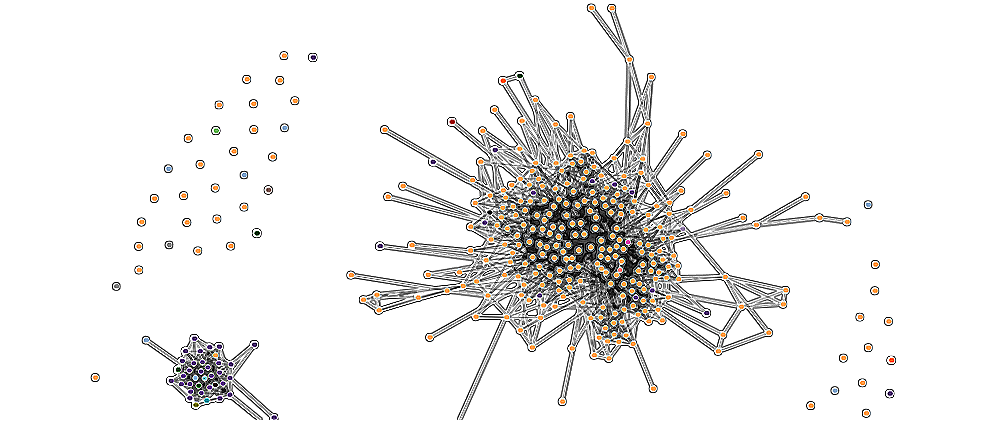
For the visual network assignment I decided to create mine based on LinkedIn connections, which tool I have been using for my professional network since 2005. I used Socilab.com as LinkedIn unfortunately retired InMaps, its own tool that lets you map out how your LinkedIn network looks.
I authorized the connection between my LinkedIn account and Socilab.com (being true to myself and paranoid, revoked the connection right after the exercise :-)), and categorized my connections by industry as well as location and loaded it with both including self and no self-connection.
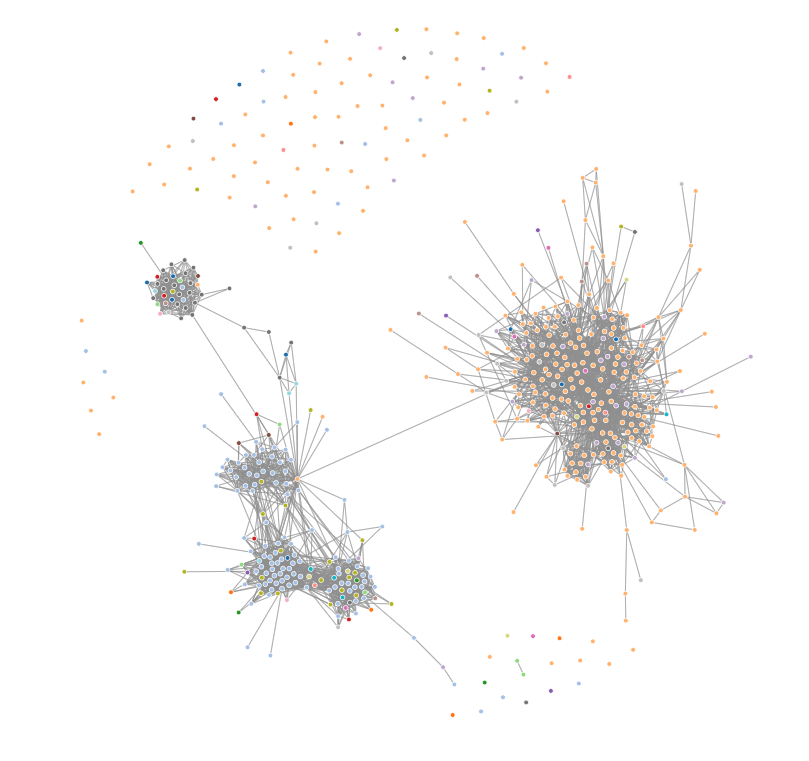
Figure 1: Network based on location with no self-connection (Click the image to enlarge it.)
My Network on LinkedIn
I wished to see the location for several reasons: I moved to Vancouver almost nine years ago, before that attended UCLA in Los Angeles, and was born and grew up in Hungary. My connections are visibly concentrated around these three main locations (Figure 1.).
I am hailing from the print magazine publishing sector and also spent seven years in telecommunication industry (internet and mobile service providers) before moved into web development and teaching.
In Figure 3. illustration, the blue dot in the middle is me. My connections are concentrated mostly in the web development / education industry in Canada, telecommunication and print publishing in Hungary and film industry in Los Angeles and in some other cities (Figure 2.) I also teach, and my students connect with me during their school or right after the program.
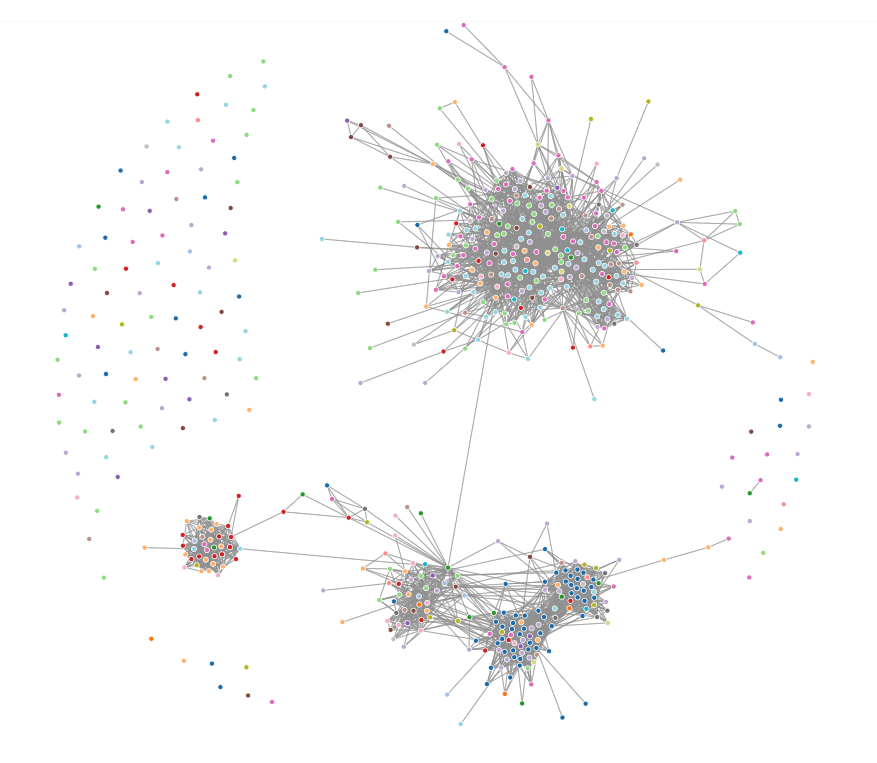
Figure 2: Network based on industry with no self-connection (Click the image to enlarge it.)
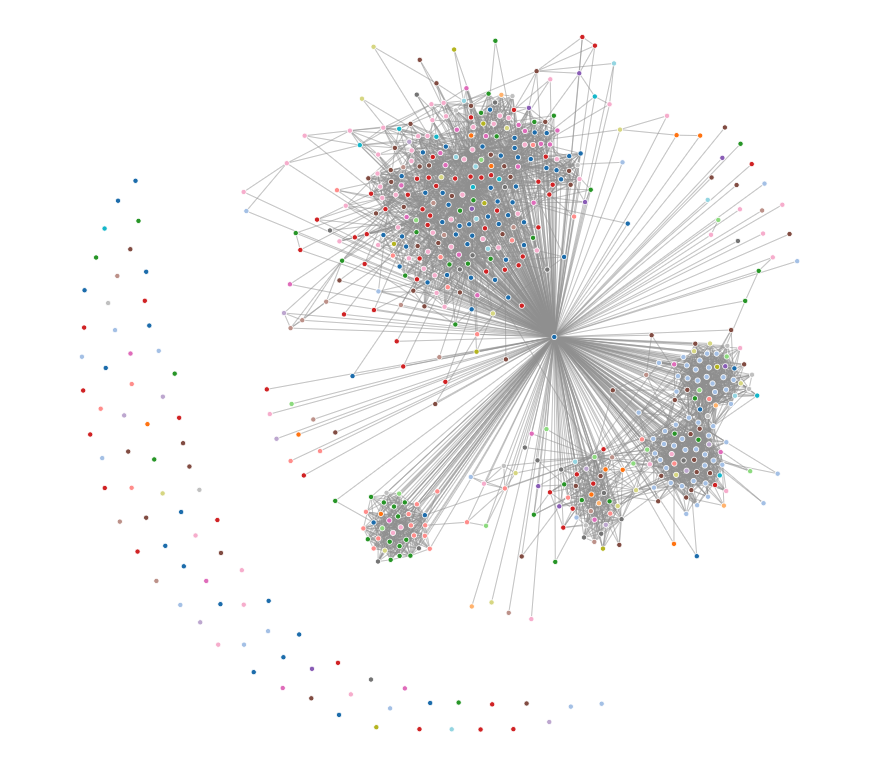
Figure 3: Network based on industry with self-connection (Click the image to enlarge it.)
Quality vs. Quantity
Socilab.com has no capacity to analyze more than 499 members in the network, and I have significantly more.
Based on that random 499 members from my whole network, the effective size of my network is: 69.26%. Not every contact counts the same way or adds the same value to your network. Some ties are ‘redundant’ because you both know the same people. They are not necessarily giving you unique information. This measure controls for that fact and gives an estimate of the unique number of clusters I am connected to.
I have a long way to go to grow and adjust my network effectively if I wish to capitalize on it in the education and educational technology field. I am going to seek new and meaningful connections and focus on quality.
All illustrations are created by the author.
Hi Beata, I was struck by how clearly your networks are displayed in your sociolab graphs and how they so clearly represented where you have been in the world. It gives testament to your strength of building networks around you. I was surprised the effective size of your network being at 62% though. Does that mean, even though you have more than 499 members your effectiveness of your networks is around 62%. That is very interesting and supports what Veletsianos (2016) wrote ‘[t]he range of relationships afforded by contemporary social media (e.g., friends, followers, etc.) are relatively flat and are not representative of the full spectrum of relationships seen or hoped for…’. You are intending to adjust the functionality of these networks, would you be able to share how you are going to do this? I am relatively new to LinkedIn and would love to glean any tips from you.
Veletsianos, G. (2016).Digital Learning Environments. In Rushby, N. & Surry D. (Eds) Handbook of Learning Technologies (pp. 242-260). Wiley.
Anita, Before moving to Canada, I built my LinkedIn network very consciously. I may sound cruel/unnecessary strict, but I kept the number under 500, and only approved, or asked for connection, if I felt we gave each other something, such as new leads, new directions, if we actually were in contact in some capacity.
I never asked for a connection just for the connection sake and did not accept it if I did not know that person or did not wish to do or offer in that field.
After starting teaching at BCIT, my web developer students asked to connect with me at the end of the program or after the program. They had each other as connections and had no other connections (or not highly relevant for me). They attenuated/diluted (if I may) the network.
I have not started to look for education / educational technology connections. But when I do, the first step will be you guys, where I can tap into this new field easier (vice versa for you), and hopefully over the time I’ll meet other professionals and can strengthen my presence in that field.
Depending how quickly you dive into networking with these type of people, from different companies, different institutions… through conferences, forums… etc you can increase the quality of the network, over quantity.