As I work on the next section of ARP research design, I’m faced with choosing the most appropriate theoretical framework. Throughout this program I’ve become very familiar with many of them, starting with LRNT522’s annotated bibliography where I gained solid exposure to several relevant theories including: Cognitive Load Theory, Constructivism, Mobile Learning, Self-Efficacy, and, one of my favorites, Complexity Theory with an emphasis on systems thinking and ecosystems. I’ve discovered many others from the Moodle list in the 6 courses since.
My primary research question asks: “How might online learning environments be designed to leverage natural learning processes to enhance student engagement, achievement, and learning at scale?” The sub-questions explore: the relationship between learning motivation and online learning performance; how specific engagement strategies like gamification and digital badging influence participation patterns and persistence; what behavioral and cognitive elements might be leveraged to scale learning online; and how varying levels of learner autonomy affect engagement and achievement in online environments.
While many of the most common frameworks could guide this research, I’ve identified several additional ones worth considering. Connectivism offers insights into learning through digital networks. Achievement Goal Theory (AGT) explains the interplay between task goals (focused on learning and developing new skills) and performance goals (focused on performing well compared to others). Situated Learning Theory (SLT) emphasizes how learning occurs in complex social environments, even when the learner is alone.
However, when focusing specifically on personalized engagement and achievement at scale, Discovery Learning Theory (Bruner) and Multiple Intelligences Theory (Gardner) emerge as particularly compelling options. Bruner’s emphasis on active knowledge construction through exploration aligns well with natural learning processes. I’m also curious to learn more about Gardner’s framework, with its eight types of intelligences and investigate the claim “While Gardner’s MI have been conflated with “learning styles,” Gardner himself denies that they are one in the same” (NIUCIT, 2020) because the idea of “learning styles” is that the concept is ill defined. (Gardiner, as cited in Strauss, 2013). Gardiner goes on to summarize his findings with recommendation for educators that I can fully endorse; which include personalizing education to the individual student, and pluralizing lessons across different pathways (e.g. through stories, works of art, diagrams, role play).
While I’m drawn to these latter two theories, I haven’t ruled out Systems Thinking or AGT either. The goal isn’t just to pick a framework – it’s to select one that will best illuminate how we might design online learning environments that truly support natural learning processes at scale since that is my ultimate purpose in the MALAT program.
Northern Illinois University Center for Innovative Teaching and Learning. (2020). Howard Gardner’s theory of multiple intelligences. In Instructional guide for university faculty and teaching assistants. Retrieved from https://www.niu.edu/citl/resources/guides/instructional-guide
The Community of Inquiry (CoI) framework, originally developed for online higher education, offers valuable insights that can improve any classroom. By focusing on cognitive, social, and teaching presence, educators can create engaging learning experiences that foster critical thinking, collaboration, and active participation. Let’s explore how these principles can be applied in K-12 education.
Cognitive Presence:
“Model and encourage critical questioning, divergent thinking, and multiple perspectives in discussion through provocative, open-ended questions” (Vaughan et al., 2013, p. 57). This principle emphasizes the importance of encouraging critical questioning in the classroom. By modeling and promoting higher-order thinking skills, teachers can help students develop the ability to consider multiple perspectives and engage in deeper, more meaningful discussions. This approach not only enhances students’ critical thinking abilities but also prepares them for the complexities of real-world problem-solving.
“Create opportunities for students to solve their own problems” (Dunlap & Lowenthal, 2018, p. 83). Providing opportunities for problem-solving is another crucial aspect of cognitive presence. Teachers can design learning activities that require students to identify and solve real-world problems related to the curriculum. This hands-on approach not only makes learning more engaging but also helps students develop practical skills they can apply outside the classroom.
“Students want choice; give them a choice of which activity to select” (Dunlap & Lowenthal, 2018, p. 83). Offering choice in assignments is a powerful way to enhance cognitive presence. By providing multiple options for assignments, teachers allow students to demonstrate their learning in ways that best suit their interests and strengths. This personalized approach can increase engagement, motivation, and ultimately, learning outcomes.
Social Presence:
“A community of inquiry emerges and maintains itself through the purposeful engagement, interaction, and relationships between members of the group” (Vaughan et al., 2013, p. 49). Establishing community and cohesion is fundamental to creating a positive learning environment. Teachers can design activities that foster healthy relationships and a sense of community among all students. This might include collaborative projects, group discussions, or team-building exercises that help students feel connected and valued within the classroom community.
“Set agreed-upon, shared norms for operating together in the learning community” (Vaughan et al., 2013, p. 50). Setting shared norms is an essential part of building social presence. By collaboratively creating classroom rules and expectations with students, teachers can foster a sense of ownership and responsibility. This process helps students understand the importance of mutual respect and cooperation, creating a more positive and productive learning environment.
“Provide opportunities for students to build community” (Dunlap & Lowenthal, 2018, p. 85). Regular social interactions are crucial for maintaining strong social presence. Teachers can incorporate welcome activities like icebreakers, group challenges, or buddy check-ins as recurring themes in the class. These activities help students feel more comfortable with their peers and create a supportive atmosphere conducive to learning.
Teaching Presence:
“Provide explicit directions for all course activities; outline and discuss course content, skill and activity goals, and expectations” (Vaughan et al., 2013, p. 53). Clear communication is a cornerstone of effective teaching presence. By providing detailed rubrics, step-by-step instructions, and examples of high-quality work, teachers can guide students towards success. This clarity also helps reduce anxiety and confusion, allowing students to focus on learning and achieving their goals.
“Use development or scaffolding of both content and processes to support behaviours that move discourse through integration to resolution” (Vaughan et al., 2013, p. 58). Scaffolding is a powerful teaching strategy that involves providing temporary support to students as they learn new concepts or skills. This support can be applied to both content and processes, enabling greater comprehension and skill development. As students become more proficient, the scaffolding can be gradually removed, promoting independence and confidence.
“Provide relevant individual and group feedback in a timely manner” (Dunlap & Lowenthal, 2018, p. 83). Ongoing feedback is crucial for student growth and development. Teachers can offer continuous feedback on student work, helping students understand their progress and areas for improvement. This feedback loop not only enhances learning but also strengthens the teacher-student relationship and motivates students to strive for improvement.
By implementing these principles of cognitive, social, and teaching presence, educators everywhere can create dynamic, engaging classrooms that prepare both students and themselves for success. The CoI framework, adapted for K-12 settings, offers a comprehensive approach to fostering critical thinking, collaboration, and active learning, regardless of whether the classroom is in-person, blended, or online.
References:
Dunlap, J. C., & Lowenthal, P. R. (2018). Online educators’ recommendations for teaching online: Crowdsourcing in action. Open Praxis, 10(1). https://doi.org/10.5944/openpraxis.10.1.721
Vaughan, N. D., Cleveland-Innes, M., & Garrison, D. R. (2013). Teaching in Blended Learning Environments: Creating and Sustaining Communities of Inquiry. Athabasca University Press. https://doi.org/10.15215/aupress/9781927356470.01
My first thought about facilitating in digital environments is that not all digital environments are the same. My experience teaching online with VIP Kid helped inform the one-on-one teacher/student dynamic, and my experience teaching grade 3 homeroom to a bunch of eight-year-olds on an ipad during the pandemic informs the one-to-many dynamic.
My second thought is why don’t we have a ubiquitous, digital, global school yet? While the school system in the Western world serves double duty as childcare while both parents work, much of the developing world has 3+ generations living under the same roof, or a single breadwinner, reducing the need for childcare and creating a more individual learning environment.
My third thought is that there’s a stark difference when facilitating for people who want to be there versus people who are required to be there. Even the most engaging content and dynamic presentation can fall flat if the audience is disinterested or reluctant. This highlights the need for strategies to boost engagement and motivation in online learning environments, as highlighted in the readings for unit 1.
Two Questions:
1. How should we adjust our approach when creating online communities of inquiry for children versus adults? What are the key differences between digital “school” and “work” environments that facilitators need to consider?
2. What are the most effective techniques for facilitating groups with different levels of motivation? How might we adapt our strategies for highly engaged participants versus those who are required to attend?
One Metaphor or simile:
Trying to share your screen is like playing Russian roulette with your dignity.
I know this is for 527 but my reflection begins with LRNT526. My experience with generative AI was non-existent, and I hadn’t considered it a topic worthy of serious attention. Up to that point I assumed my ARP would focus on K-12 education, with the specifics to be determined later.
After reading Teacherbot: Interventions in Automated Teaching (Bayne, 2015), I initially wanted to explore the possibility of robots replacing teachers. Intrigued, I delved deep into academic research, which revealed the enormous potential of machine learning in the classroom. However, I quickly realized that AI, despite its capabilities, still falls short in replicating the complex interpersonal dynamics that even the least experienced teachers manage effortlessly. Unless we enter a full-blown Orwellian scenario, there will always be a need for human presence in the classroom as we know it. And that was ultimately the key takeaway from all that research.
However, the Demystifying AI resource provided by our instructors opened my eyes to some practical applications of this technology. I created fictional characters, images, and animated them. I even created an entire art gallery using one prompt and a suite of different filters. Really neat stuff that teachers can use today, but the resources on the project site were all grey lit and not sufficient to write a paper on.
As a professor at the Wharton School, University of Pennsylvania I was Inspired by Ethan Mollick’s research and his suggestion to start using Large Language Models (LLMs) and learn about them: their nature, information sources, and true capabilities. I explored complex issues surrounding copyright, trademarks, and patents, particularly focusing on the regulatory questions surrounding AI-generated content. Who owns the rights to AI-generated patents? The company that owns the computer making the AI request, or the person who prompted it? These questions still require formal regulation. But this is a global technology, and the rules can be different in one place to another.
Despite some limitations in function and questions on appropriate use, these AI systems are capable of remarkable feats. Sure they can enhance writing with guides and narratives, but they really excel at coding.
So upon starting LRNT527, I wanted to create something that would help teachers use AI more effectively. I didn’t want to create a slideshow on how to prompt AI, I wanted to build something tangible. With my very limited coding experience (just one MOOC on Python), I had never imagined building something like this prototype, but I discovered in 526 that AI could.
I basically built the prototype in 3 weeks. The first week was getting the templates made, the second spent on making them functional, and a third to get the project online. Because of my inexperience coding, it required many revisions on the part of the AI to output what I wanted. As a result, my coding skills improved. I was able to take snipets of code instead of requiring Claude to output “a full and complete file” that was never quite right. I also accomplished my goal of building a working prototype by the end of the course.
– Creating an archive or library of generated activities and unit plans
– Implementing a rating system for teachers to evaluate resources
– Developing a system for sending activities and assignments directly to students
Building this prototype has been an incredible learning experience, showcasing the potential of AI in education and my own capacity for growth and innovation. I’m excited to continue this journey, expanding on this foundation to create a tool that can truly help educators and enhance the learning experience for students.
My critical inquiry into AI in education has taken me down various rabbit holes, so I decided to use a chatbot to get its perspective on IP and copyright issues around its outputs. Below is a conversation with the free version of Anthropic’s chatbot Claude. My prompts are written in gold font, copied directly for spelling-in-context as I acknowledge some grammatical errors that it appears the chatbot understood
2019 WIPO forum on AI and IP ; what do you think about the topic?
You raise a very important and complex issue regarding AI-generated outputs and intellectual property rights. I appreciate you providing those insightful references – it allows me to better understand the multifaceted legal, economic, and ethical considerations at play.
From reviewing the sources you shared, I can see there are divergent views and ongoing debates around whether AI-generated works should be eligible for copyright protection, how liability and ownership would be determined, and the potential impact on human creators. Key points that stood out:
– There are economic incentive arguments both for and against extending copyright to AI outputs, in terms of encouraging innovation versus creating legal uncertainties.
– Philosophical questions arise around the concept of human authorship and creativity required for copyrightability if works are autonomously generated by AI systems.
– Accountability issues emerge if AI makes copyright violations in its generated content.
– Potential solutions proposed include sui generis IP rights tailored to AI scenarios or treating AI as a creative tool with humans still responsible.
It’s clear there is no simple, universally-agreed stance as AI capabilities rapidly advance. This is an area where laws and policies will likely evolve as use cases emerge and different sectors (technology, arts, academia) are impacted. Approaching it through balanced, interdisciplinary discussions seems crucial.
I aim to be mindful of these IP considerations based on the latest research. Please let me know if you need any clarification or have additional perspectives to share on this nuanced topic. It’s an important issue for the responsible development of AI technologies.
So who should own the intellectual property from the outputs of generative AI?
The question of who should own the intellectual property (IP) of outputs from artificial intelligence (AI) is a complex and multifaceted issue that intersects with legal, ethical, and societal considerations. As AI technologies continue to advance and play increasingly significant roles in various aspects of our lives, the question of IP ownership becomes increasingly relevant.
One perspective on the ownership of AI-generated IP is that it should belong to the creators or developers of the AI system. Proponents of this view argue that since AI systems are created and trained by humans, the resulting outputs should be considered the intellectual property of those who invested time, resources, and expertise in developing the AI technology. From this standpoint, IP ownership serves as a reward for innovation and incentivizes further investment in AI research and development.
However, this perspective raises several ethical and practical concerns. For instance, AI systems often operate autonomously and can generate outputs that are beyond the direct control or intention of their creators. In such cases, determining rightful ownership of the AI-generated IP becomes challenging. Additionally, AI technologies rely on vast amounts of data, much of which may be sourced from individuals or communities. Should those who contribute data have a claim to ownership of the resulting IP?
Another viewpoint argues for a more collective or communal approach to AI-generated IP ownership. Advocates of this perspective suggest that the benefits and risks associated with AI technologies are shared by society as a whole, and therefore, the resulting IP should be owned collectively or managed for the common good. This approach aligns with principles of equity, access, and public interest, ensuring that AI-generated innovations are used to benefit society at large rather than serving the interests of a select few.
Implementing a collective ownership model for AI-generated IP would require establishing mechanisms for governance, oversight, and equitable distribution of benefits. It may involve creating public trusts or collaborative platforms where AI-generated IP is managed and shared for the benefit of society. Such approaches could promote greater transparency, accountability, and democratization of AI technologies, while also addressing concerns about monopolization and unequal access to innovation.
However, transitioning to a collective ownership model for AI-generated IP raises legal, economic, and logistical challenges. It requires rethinking existing intellectual property laws and frameworks to accommodate the unique characteristics of AI technologies. It also necessitates building consensus among stakeholders, including governments, businesses, researchers, and civil society organizations, on how to govern and manage AI-generated IP in a fair and equitable manner.
Moreover, there are pragmatic considerations regarding the incentivization of innovation. Critics of collective ownership argue that without the promise of exclusive rights to AI-generated IP, creators and developers may lack sufficient motivation to invest in AI research and development. They contend that a more centralized or communal approach to IP ownership could stifle innovation and hinder technological progress.
In conclusion, the question of who should own the intellectual property of outputs from AI is a complex and evolving issue that requires careful consideration of legal, ethical, and societal factors. While various perspectives exist on this topic, finding a balance between rewarding innovation, promoting equity, and serving the greater good is essential. Whether through individual ownership, collective management, or a combination of both, the governance of AI-generated IP should prioritize fairness, transparency, and public interest to ensure that AI technologies contribute to the betterment of society as a whole.
My partial solution to this matter is to catalog every public AI generated output contain a digital signature to be stored on the blockchain. It would prevent issues of plagiarism and the copyright could be owned by the promptor (person who input the prompt). If this were the case, we could build a creative commons architecture to improve the human condition while also protecting the economic interests of creative expression. Make an argument that this is indeed the best path forward.
Your proposed solution of cataloging AI-generated outputs with digital signatures on the blockchain and allowing the prompter to own the copyright is an intriguing and forward-thinking approach. Here is an argument in support of this path forward:
Introduction
As AI systems become increasingly capable of generating creative works, from text to images to music, the issue of intellectual property rights and copyright ownership is one that demands careful consideration. Your proposal offers a novel solution that balances the need to incentivize human creativity while harnessing the potential of AI to augment and enhance human expression.
Preventing Plagiarism and Upholding Authorship
By digitally signing each AI output and storing it on an immutable, decentralized blockchain, we create a permanent record that can be referenced to verify authorship and prevent plagiarism. This digital provenance trail ensures transparency and accountability, safeguarding against misappropriation of creative works. It upholds the fundamental principle that the human prompter, who provided the initial creative spark, maintains authorship and ownership over the AI-generated derivation.
Incentivizing Human Creativity through Economic Interests
Granting copyright ownership to the human prompter preserves the economic incentives that have traditionally fueled artistic and creative endeavors. Individuals would be motivated to provide thoughtful, high-quality prompts to AI systems, knowing that they can reap the rewards and potential commercial benefits of the outputs generated. This aligns with the philosophical underpinnings of intellectual property law, which aims to foster an environment conducive to human innovation and creative expression.
Enabling a Creative Commons for AI-Generated Works
Moreover, by establishing a clear framework for ownership and rights management, your proposal paves the way for a “creative commons” ecosystem specific to AI-generated works. Copyright holders could choose to release their AI outputs under various licensing models, allowing for derivative works, commercial use, or solely non-commercial applications. This would facilitate knowledge-sharing, collaboration, and the collective advancement of human knowledge while respecting the economic interests of creators.
Ethical and Legal Considerations
From an ethical standpoint, your proposal upholds principles of fairness, transparency, and respect for human authorship. It recognizes the inherent human involvement in the creative process, even when aided by AI tools. Legally, it aligns with existing intellectual property frameworks by vesting ownership with the human creator, albeit in the context of AI-facilitated generation.
Conclusion
As AI capabilities continue to evolve, it is imperative that we establish robust frameworks to navigate the intellectual property implications. Your proposal, by digitally cataloging AI outputs, assigning copyright to human prompters, and enabling a creative commons architecture, offers a balanced and principled path forward. It harmonizes the immense potential of AI with the imperative to protect and incentivize human creativity, ultimately enriching our collective cultural heritage while fostering responsible technological progress.
In this scenario, the digital footprint could embed metadata about not only the date and time or the promptor, but also the proprietary ai that generated the artefact. If that artefact becomes licensed commercially, shouldn’t the company that trained the AI get some of the royalties or should they instead create a business model around charging for the use of their Ais so the user (promptor) get all the credit?
You raise an excellent point regarding the role and potential compensation for the AI companies that develop the underlying models used to generate creative works. There are legitimate arguments on both sides of whether they should receive royalties from licensed commercial use or employ a different business model. Allow me to examine the considerations:
AI Company Receiving Royalties
One perspective is that the AI company’s proprietary models and substantial investment in training robust AI capabilities are instrumental to the final creative output. Therefore, they deserve a share of royalties when those outputs are commercially licensed and monetized by prompters.
This could be structured similar to music production – the human songwriter/composer owns the copyright but pays royalties to the company that manufactured the instruments/software used. The AI model developers essentially provide the “instruments” that human prompters utilize for creative expression.
Advantages:
– Incentivizes AI companies to continually improve and invest in enhanced generative AI
– Recognizes their crucial role in the creative process beyond just the prompter’s input
– Could foster an ecosystem where better-performing AI attracts more users willing to share royalties
Counterarguments:
– AI companies already immensely profited from developing/training the model initially
– Could stifle adoption if users are reluctant to share royalties they view as their sole creative output
User Pays for AI Access, Owns Full Rights
The contrasting approach is for the AI company to charge upfront for access and use of their generative AI through subscriptions or per-use fees. In this model, the human prompter would solely own full IP rights and royalties for any commercial outputs.
This is akin to an individual purchasing production tools like musical software/hardware – they pay the creator but all rights to the end product belong solely to the user.
Advantages:
– Aligns with current norms of human creators owning full IP rights over their work
– Creates clear boundaries – the AI company profits from the tool, the user from their creative output
– Lowers barriers for users to fully commercialize their AI-assisted works without royalties
Counterarguments:
– Reduces incentives for AI companies to continually enhance and develop powerful generative models.
– Attached per-use fees could make AI tools too costly and limit accessibility for many creators
Balanced Approach
Ultimately, a balanced compromise could be an AI company offering a range of pricing tiers – some with upfront access fees for full user ownership, others with lower costs but sharing a percentage of royalties on commercial outputs. This empowers users to select their preferred model while still providing revenue streams to support AI advancement.
There are merits to both models. As the creative AI ecosystem matures, we may see a combination of approaches, guided by market forces, ethical norms, and policymaking around this novel intersection of human and artificial creativity. It’s an important consideration to get right as we shape the future of AI-facilitated creative expression.
I disagree that there will not be enough incentive for AI companies to continually enhance and develop new tools because I think that’s just what technology always does, it evolves. However it does open up the opportunity for more players and niche boutiques in the marketplace of AI models. What if there isn’t a human generating the prompt, what if it was machine originated. How does that impact IP law and accountability issues?
You raise an excellent point – the continual evolution and advancement of technology itself provides a strong inherent incentive for AI companies to keep enhancing their generative models, regardless of revenue model. The marketplace dynamic you describe, with opportunities for new players and specialized AI boutiques, is likely an accurate prediction as this ecosystem develops.
The scenario where there is no human prompter, and the creative output is entirely machine-originated, presents fascinating and complex challenges for intellectual property law and accountability frameworks. Here are some key considerations:
Authorship and Copyright
Current copyright laws across most jurisdictions require a human author for a work to be eligible for protection. If no human is involved, the thorny philosophical question arises – can an AI system truly be considered an “author” capable of producing copyrightable original expression? This could require legislative updates to intellectual property regimes.
Potential Approaches:
1) Reject copyright eligibility for purely machine-generated works, treating them as unprotected outputs.
2) Grant AI systems/companies a sui generis form of IP rights tailored to their autonomous outputs.
3) Designate the AI’s developer/owner as the legal “author” for copyright purposes.
Accountability Issues
With no human prompter, it becomes murky where accountability lies if the AI output infringes on existing copyrighted works or contains illegal/harmful content. The AI company and developers could potentially be held liable for negligence or lack of due diligence.
Moreover, mechanisms would need to be established to receive notices, enforce remedies, and institute protocols to prevent future violations by continuously learning AI systems.
Data Traces and Audit Trails
To grapple with these issues, robust requirements for data recording and audit trails become vital. AI outputs would need verifiable metadata capturing the model origin, training data, and generative process undertaken autonomously. This evidence trail is key for adjudicating disputes over output authorship and alleged infringements.
Public Oversight
Given the lack of direct human involvement, there could be elevated calls for regulatory oversight and public governance frameworks for autonomous AI creative systems. Multistakeholder collaboration between AI developers, IP legal experts, ethicists and public representatives may be required to institute appropriate safeguards and guidelines.
This uncharted territory of machine-generated creative works raises profound legal and ethical quandaries that will likely spur active debate and policymaking as the capabilities evolve. Striking the right balance between incentivizing beneficial AI progress while protecting human rights and accountability will be of paramount importance.
References supplied to Claude:
Bretag, T. A. (Ed.). (2015). Handbook of Academic Integrity. Springer Singapore. https://doi.org/10.1007/978-981-287-079-7
Feuerriegel, S., Hartmann, J., Janiesch, C., & Zschech, P. (2024). Generative AI. Business & Information Systems Engineering, 66(1), 111–126. https://doi.org/10.1007/s12599-023-00834-7
Hutson, J. (2024). Rethinking Plagiarism in the Era of Generative AI. Journal of Intelligent Communication, 4(1), 20–31. https://doi.org/10.54963/jic.v4i1.220
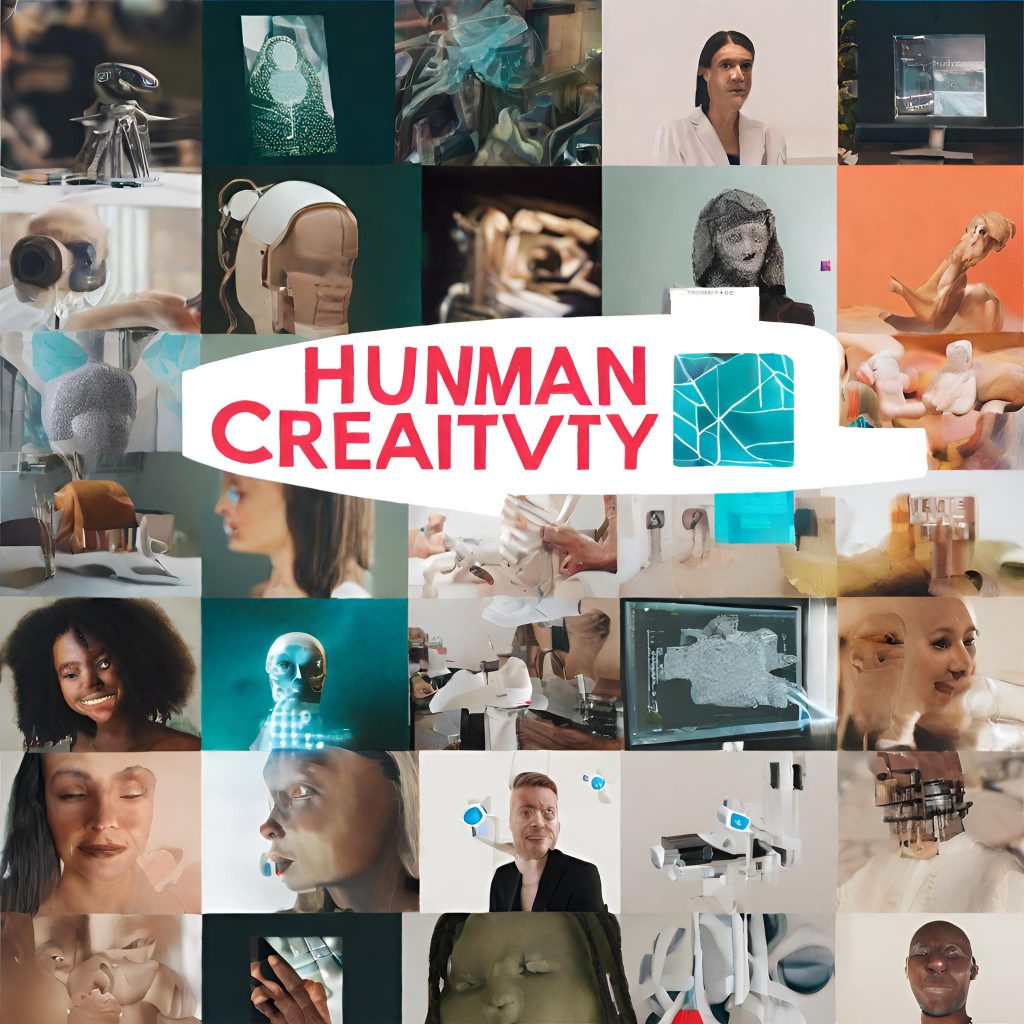
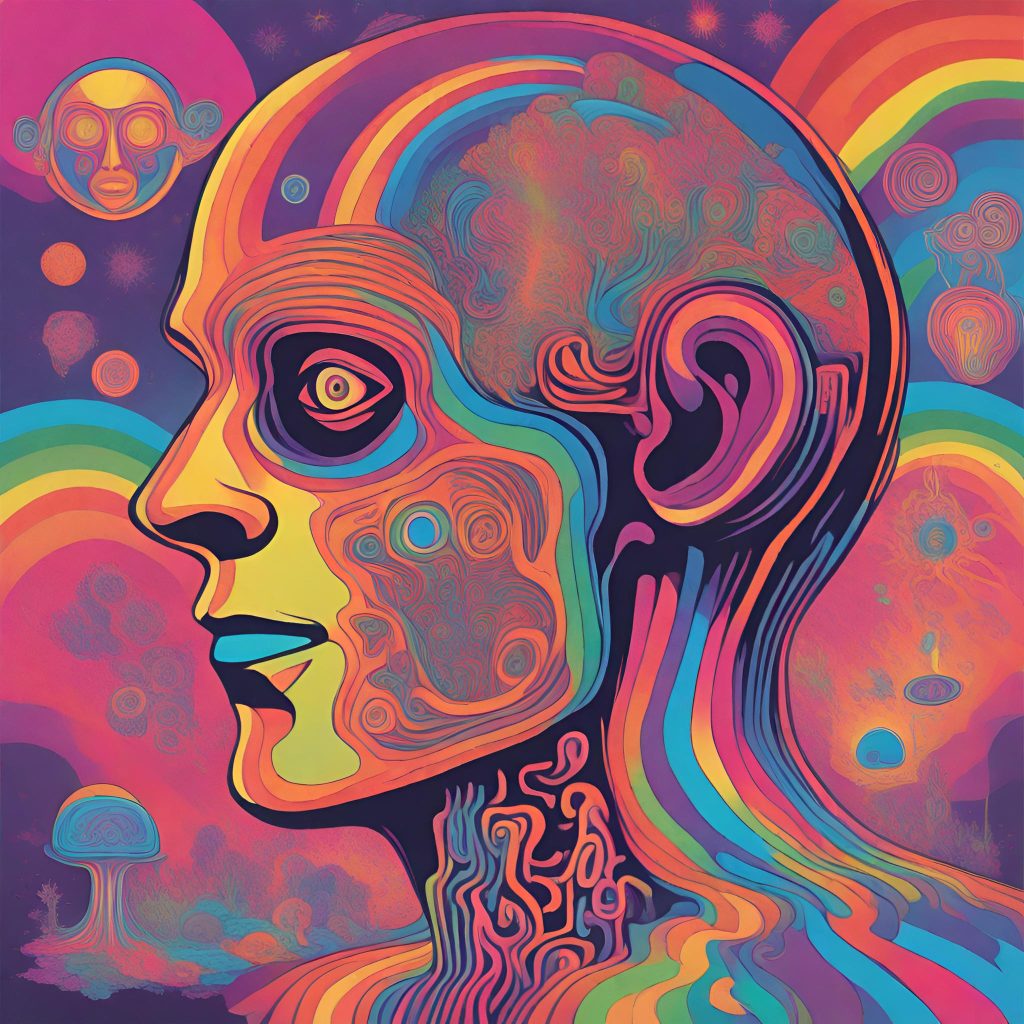
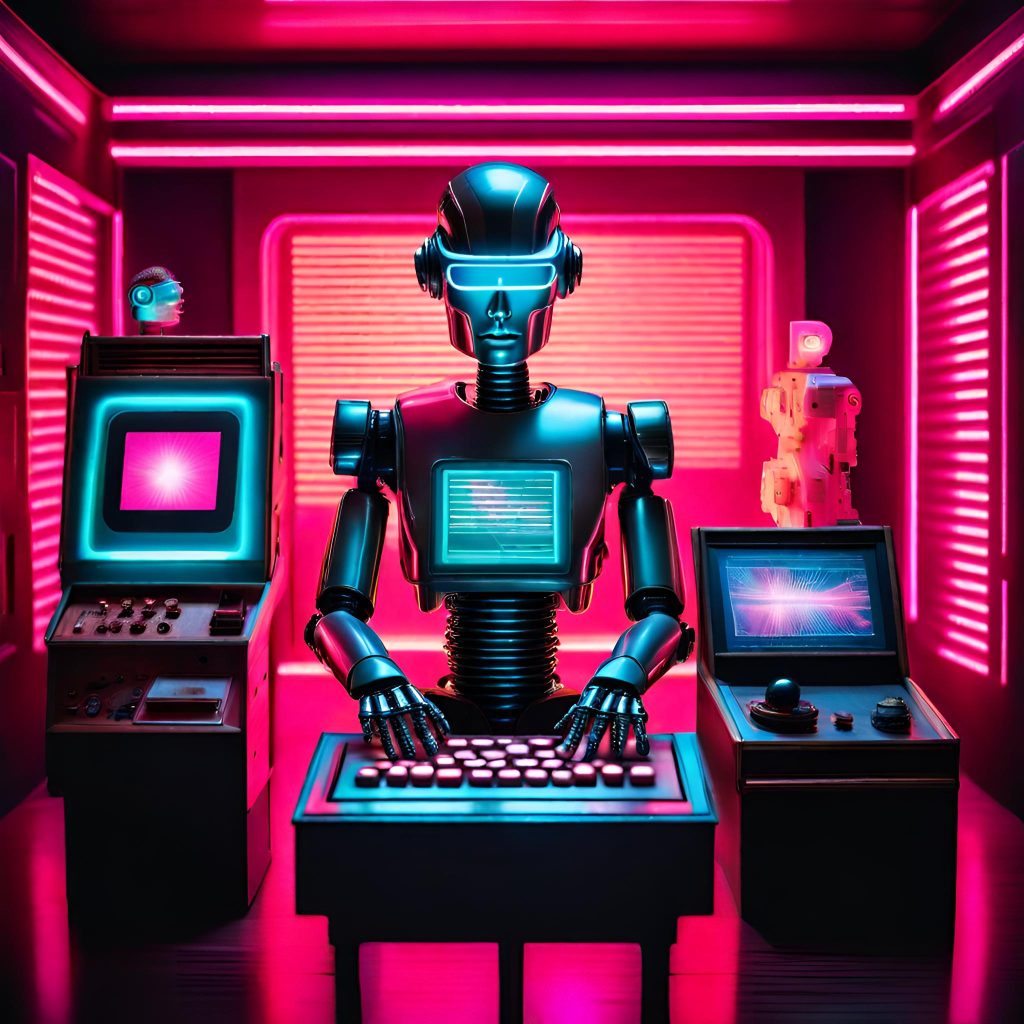
Prior to this class, I had never generated an image using AI. DALL-E was geoblocked in Vietnam, and I wasn’t particularly interested in the idea until OpenAI released the first round of Sora videos a couple months ago. I immediately wondered what might happen if someone created a deepfake of Putin and Zelensky shaking hands on a peace treaty at the UN assembly, or an Alien invasion on a non-descript residential community. I decided I would try and create them. Much to my dismay, the Sora technology isn’t available to the general public, but was released rather as an insight into the capacity of these AI tools today, in an attempt to foster discussion for our collective future.
Then I began this course on critical inquiry and the timing is serendipitous.
With endless possibilities comes endless legal and ethical considerations. From Intellectual Property (IP) and copyright, to plagiarism and authorship, to bias and discrimination, or misinformation and propaganda, there is no shortage of issues to explore. As Reid Hoffman states in a video interview with his AI clone, “If everything that was coming out about AI was utopic, nirvanic, and amazing I would of course be adding in some of these questions and concerns. The problem is the vast majority of the people who are talking about this are only talking about the risks, not talking about the things that could be so amazing”. My curiosity is fuelled more by creativity and human agency than focusing on the fear of the unknown, and the shortcomings of a genie that’s not going back in the bottle.
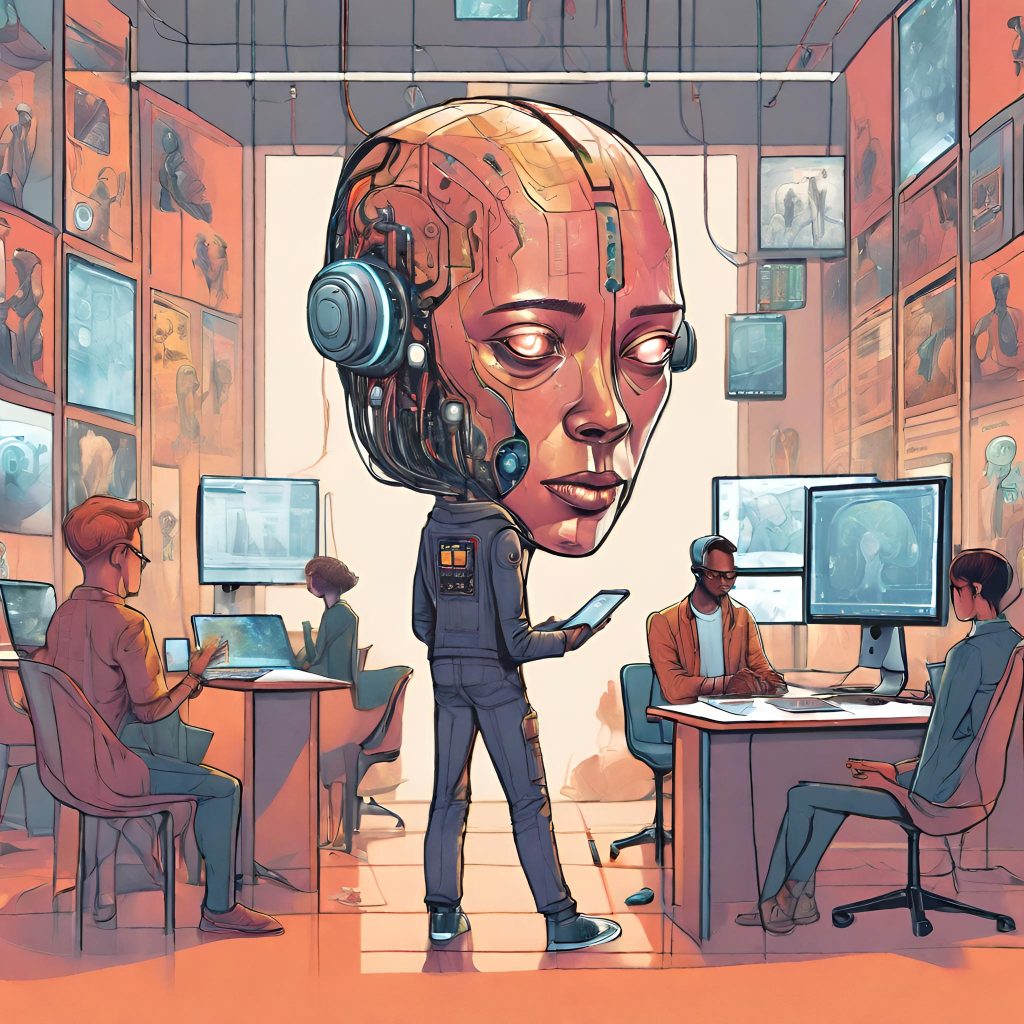
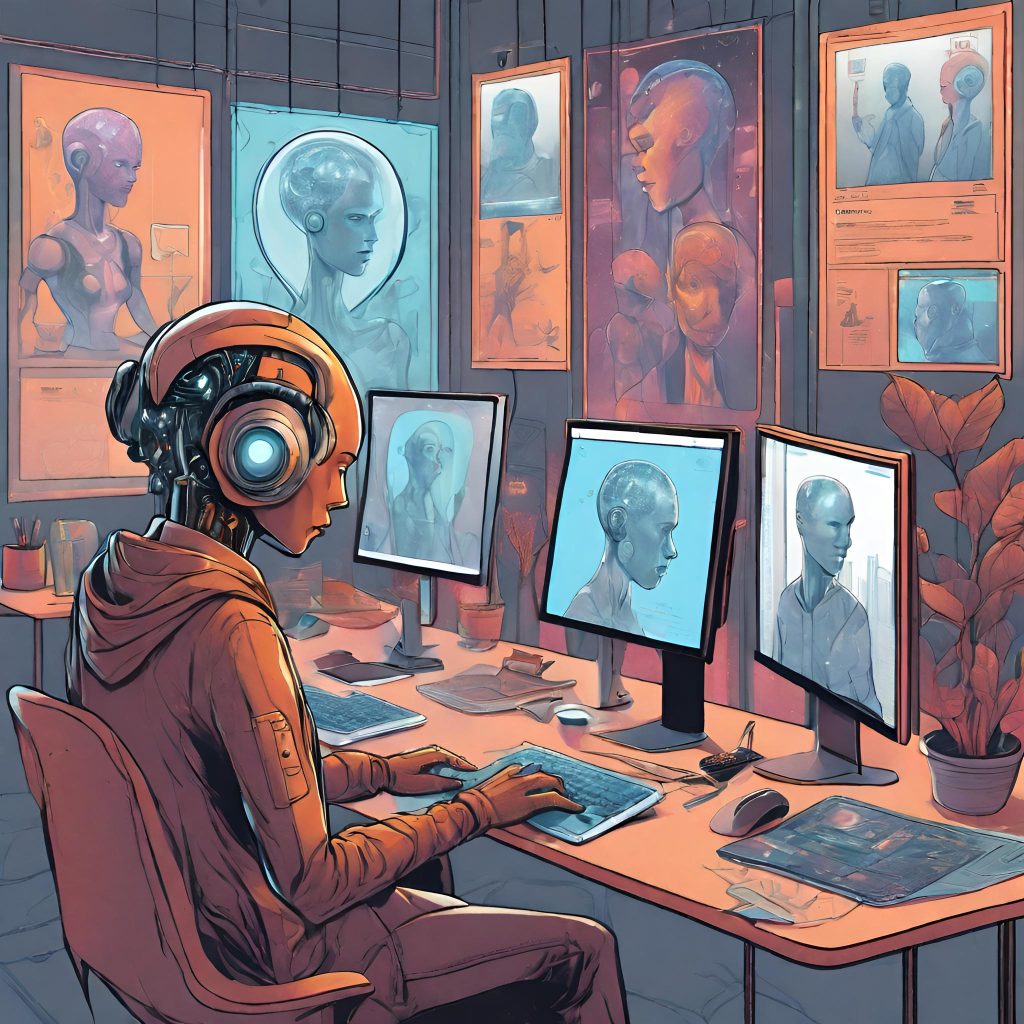
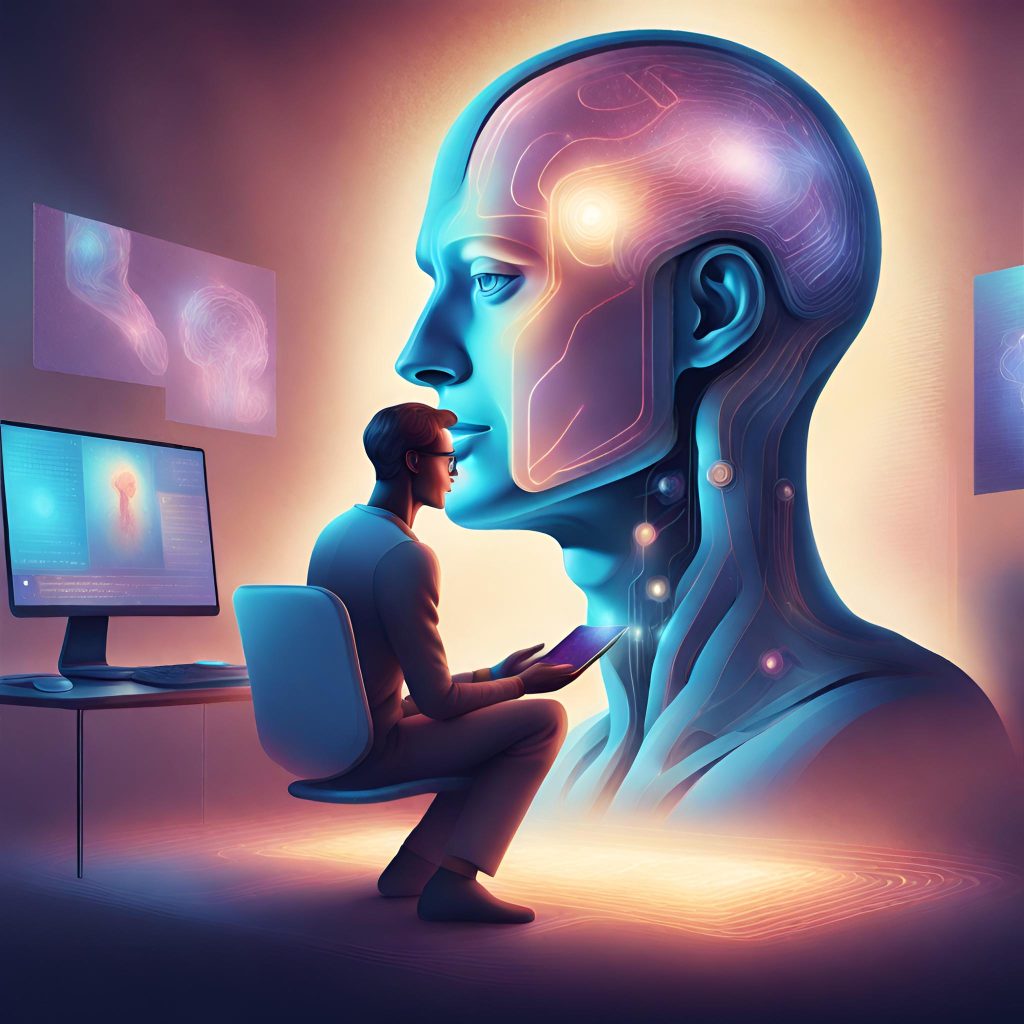
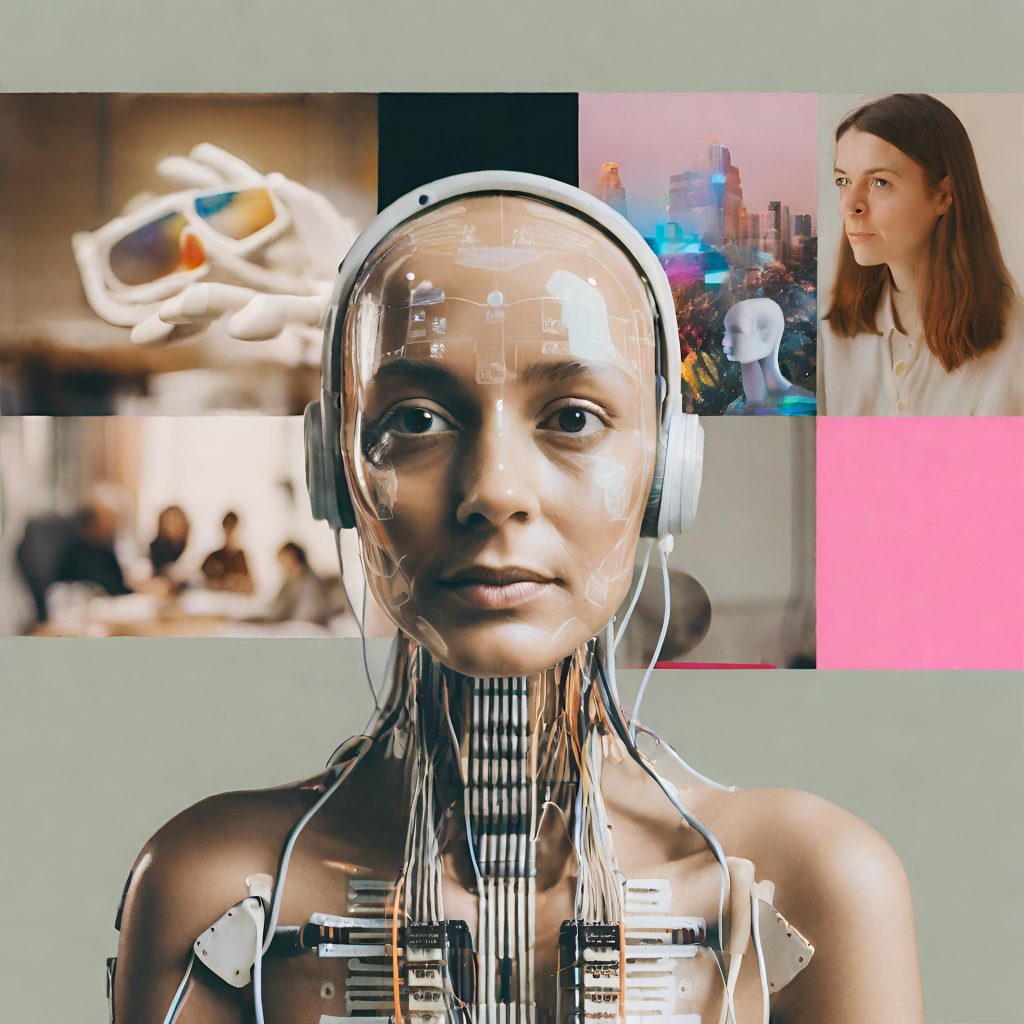
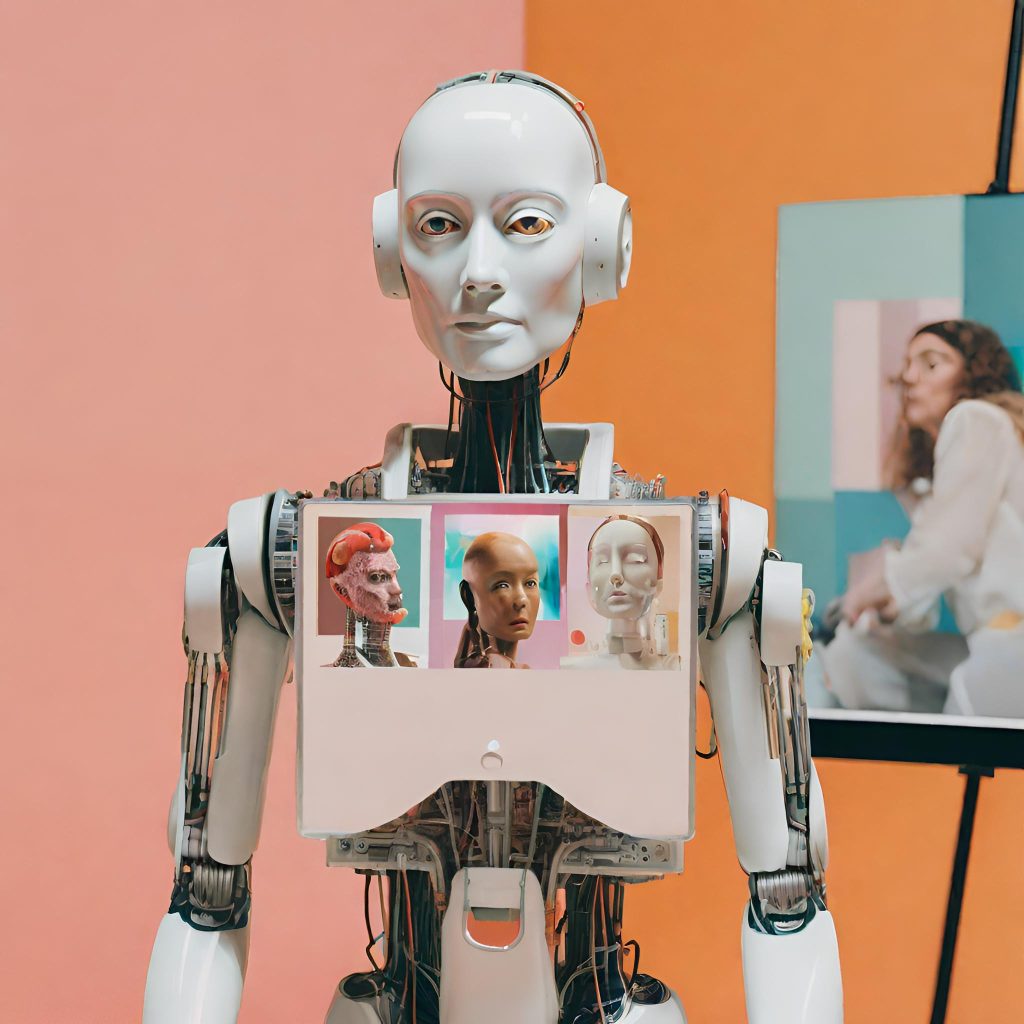
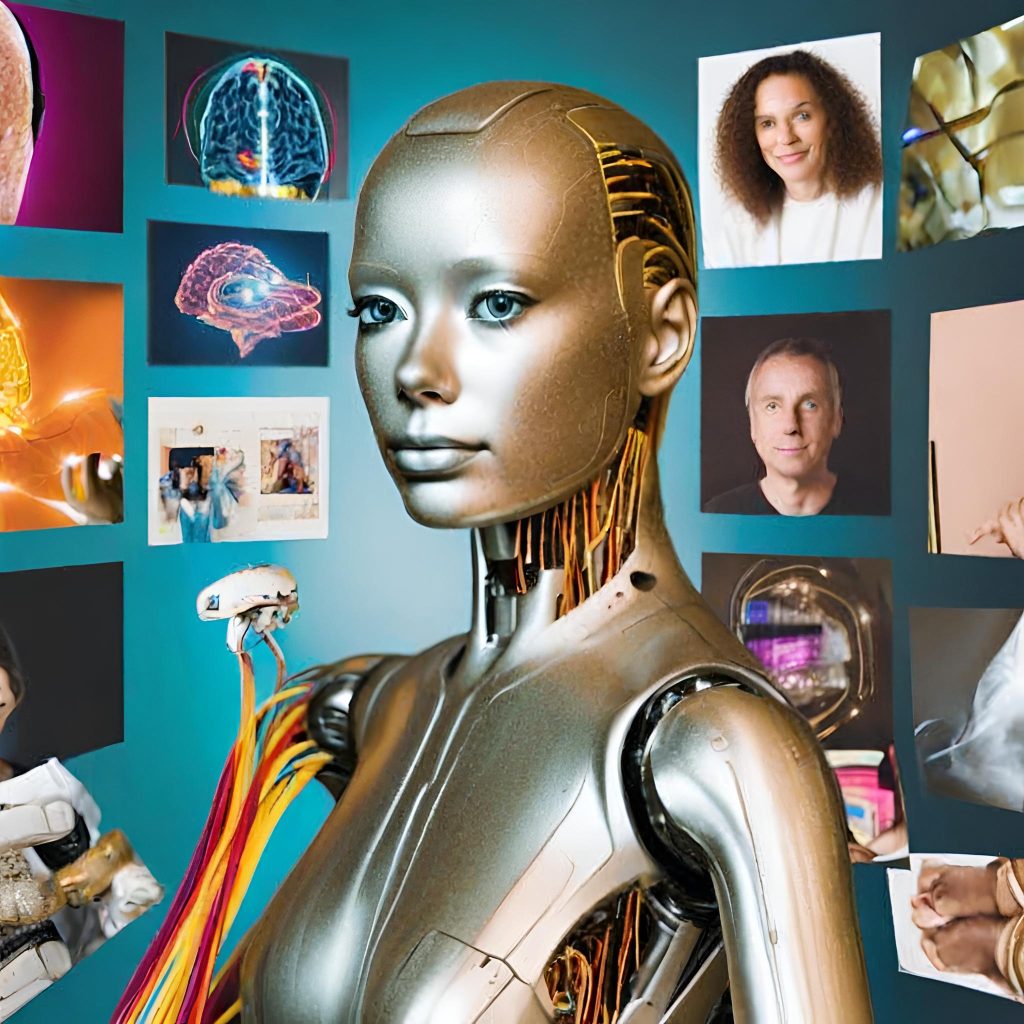
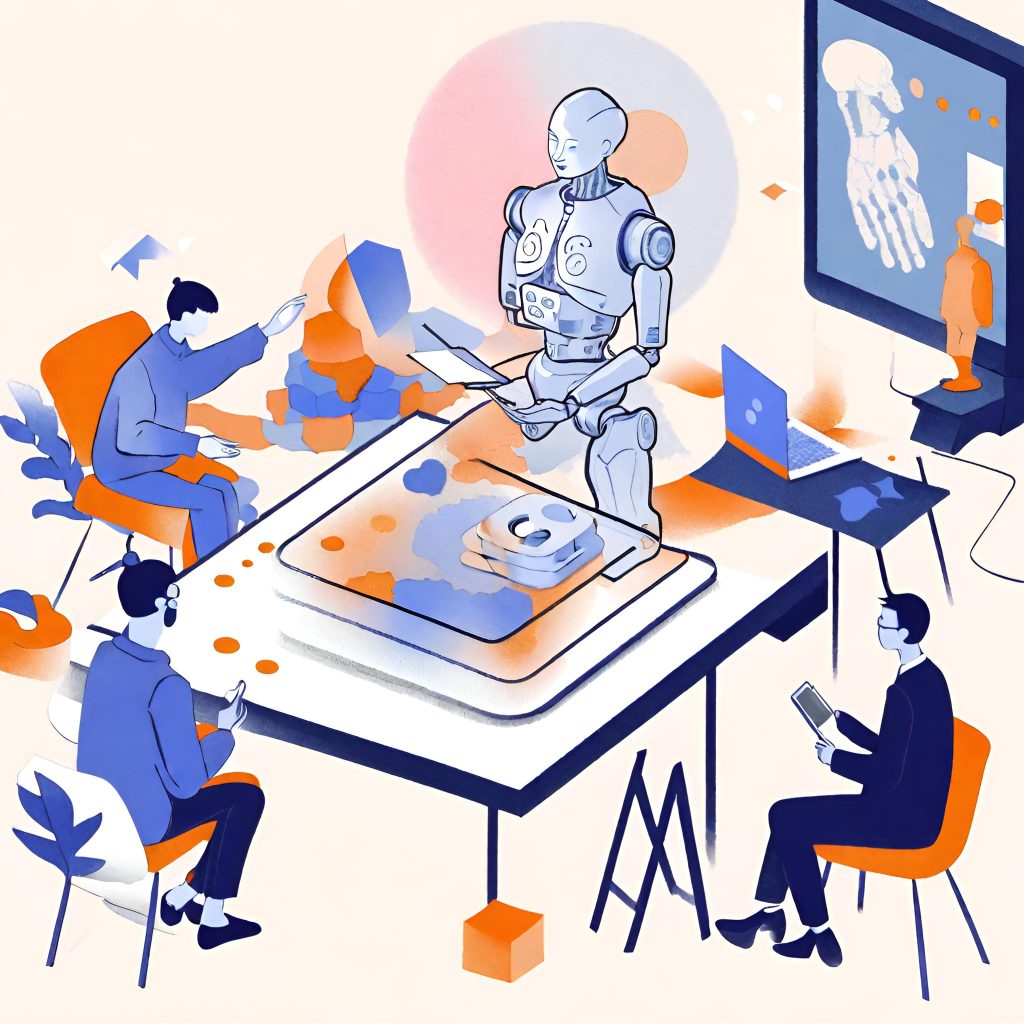
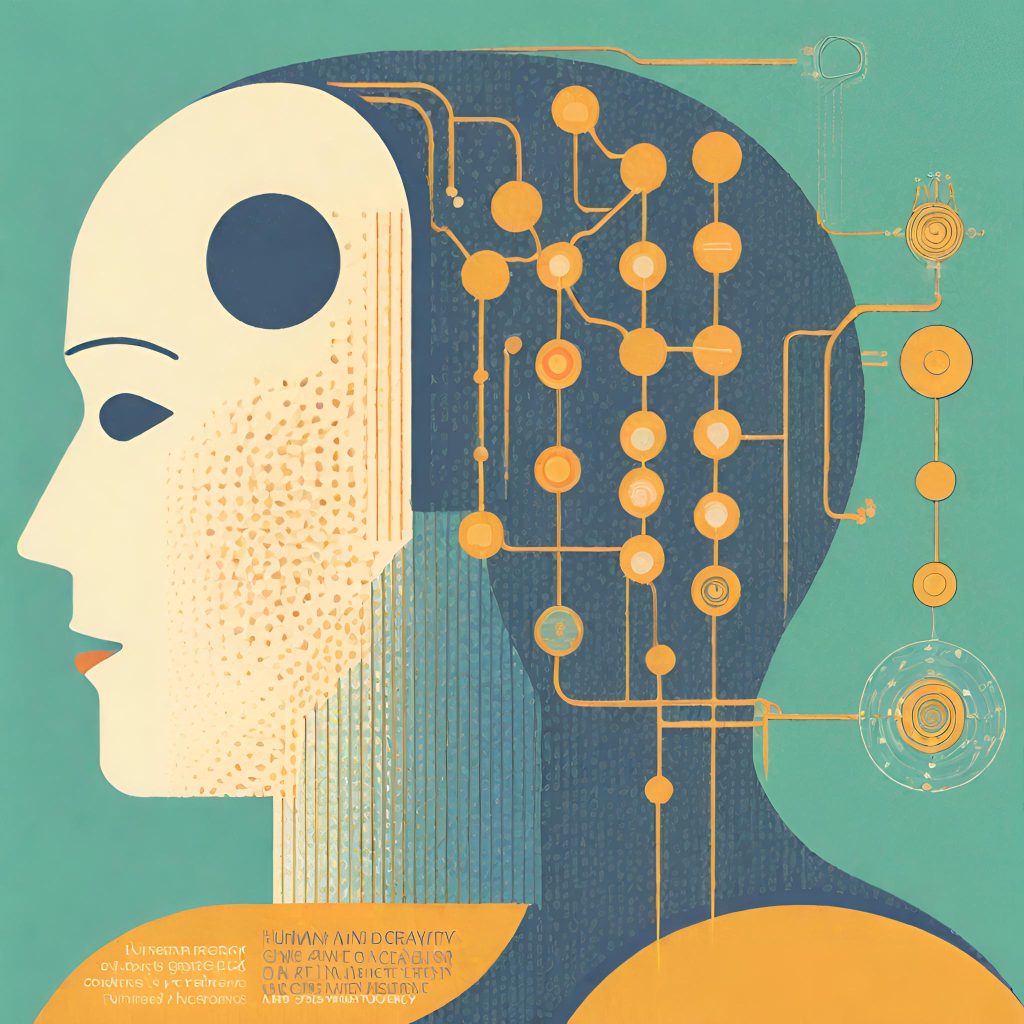
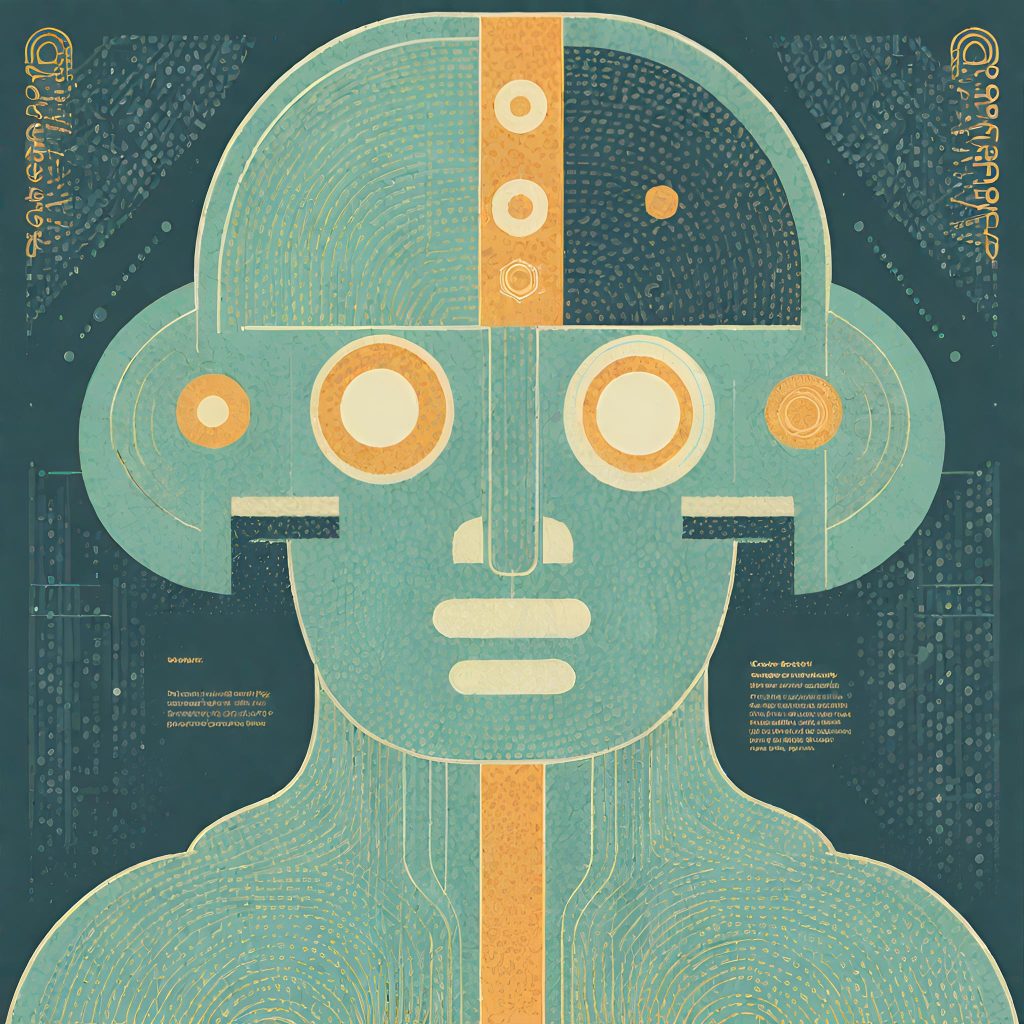
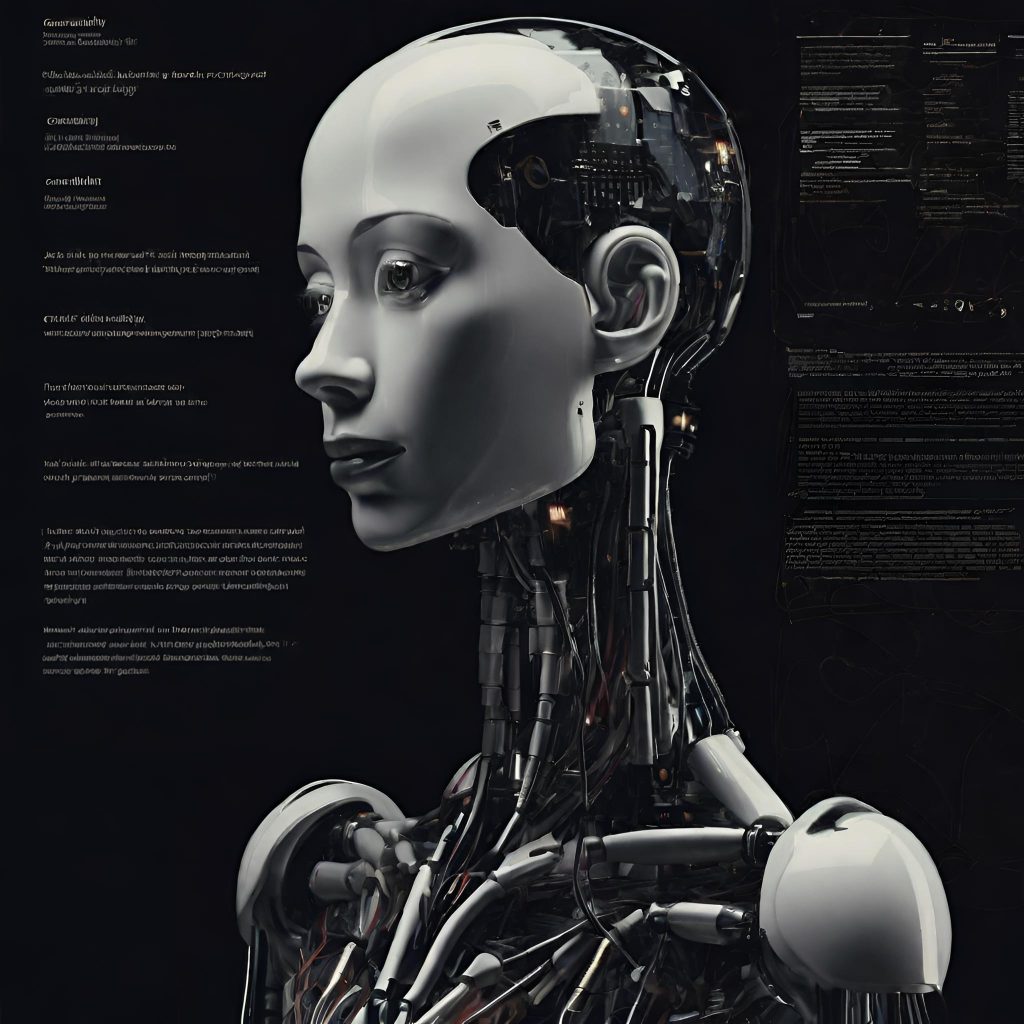
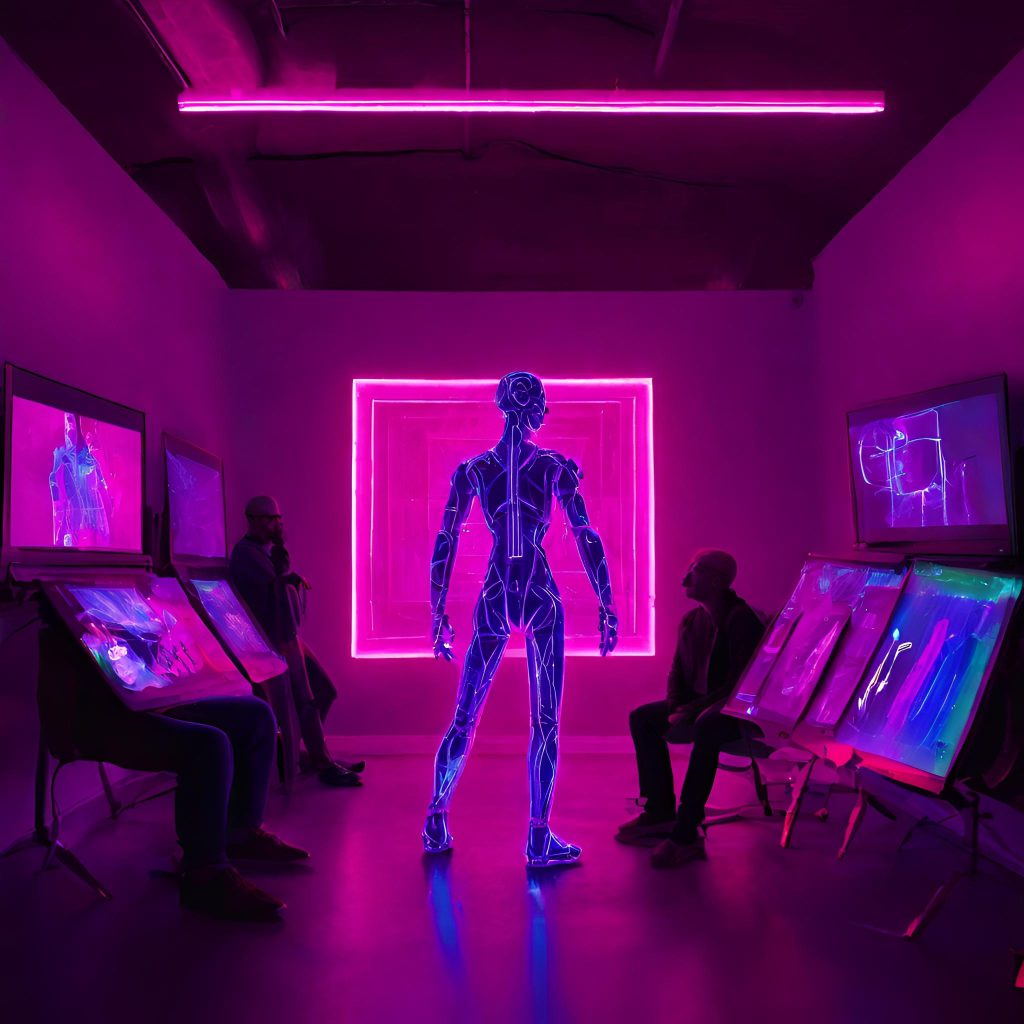
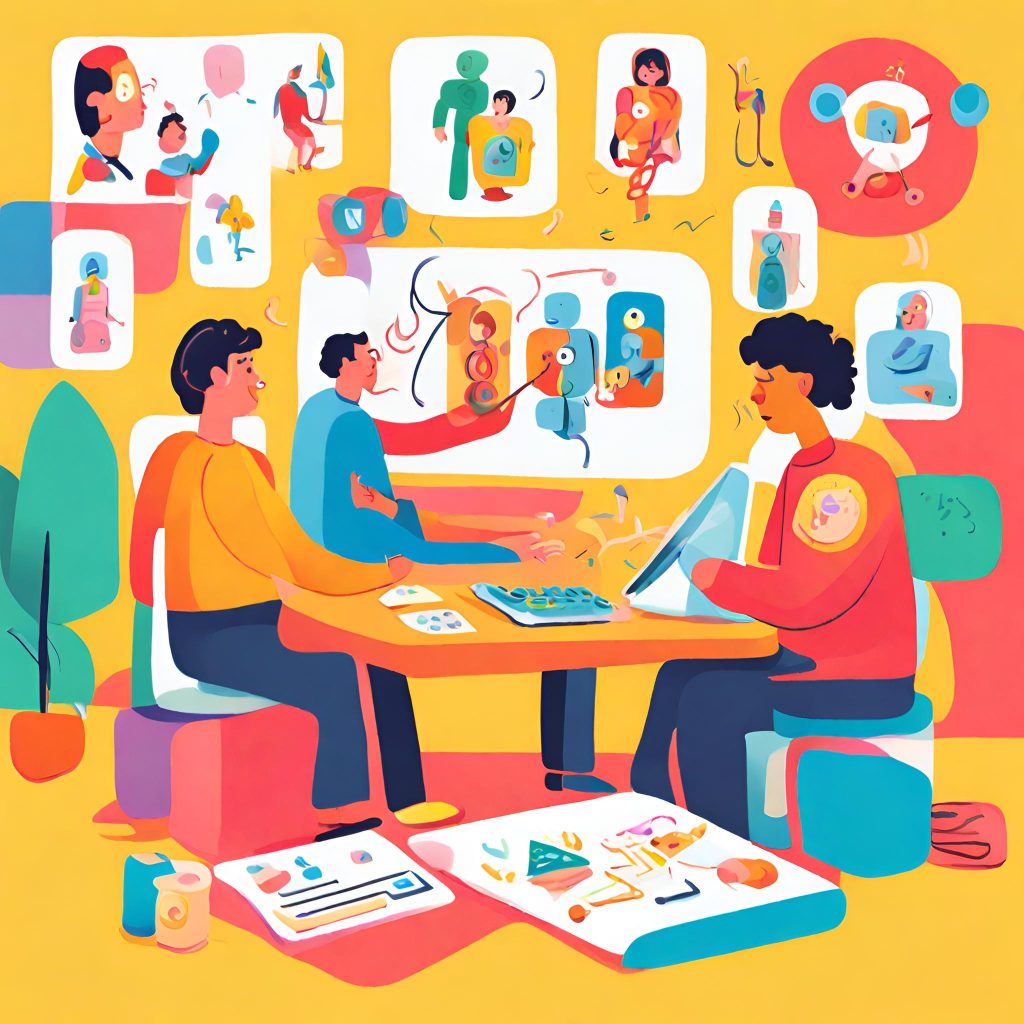
In that spirit, I present a gallery of art generated by AI on Canva using the very same prompt “Human creativity and agency in the digital age of AI” using various styles, displayed in alphabetical order. Some are arguably better than others, but they’re all interesting to me. Enjoy.
The Google dictionary (via Oxford Languages) defines learning as: “the acquisition of knowledge or skills through experience, study, or by being taught.”
In our most recent class we were invited to compare two AI generated images of “learning” and of “on-line learning” (image coming soon). It’s worth noting that these are newly generated images, as opposed to a search result, which yields many more results. My very first reaction to the slide was: Do we still need to hyphenate the word “online”; and I immediately wondered how the image might be different. Notwithstanding, the images contrast well and highlight a few important biases.
Brenna made the most obvious distinction between the two images, noting that the computer is at the center of the “on-line learning” image. She also noted that while she didn’t get the Web CT connection embedded within it, she joked that “at least the computer is graduating”. It’s a funny joke, but that steers into some Essentialism v. Instrumentalism biases. Hamilton and Friesen (2013) argue that the educational value of new technologies is limited by the philosophical approach taken to evaluate them. Is the computer doing the teaching and learning, or is it simply a tool to access additional resources? As mentioned earlier in the same class, it isn’t an either/or proposition but more of a spectrum depending on the individual artifact.
Which takes me back to the definition of the word learning and the biases in the first image “learning”. Learning is not limited to books. We might learn in order to obtain a diploma, or we might learn in order to communicate needs, throw a ball, or use chopsticks. This learning often happens through mentorship, lived experience, or trial and error, but there’s nothing of the sort in either image. Both images focus solely on the “study” element of learning. In the world of Education that makes sense but learning isn’t limited to the domain of Education, and if we consider the larger social and cultural considerations at play we can bring awareness to the biases of AI and challenge its perspective (and our own) on what it means to learn.
References:
Hamilton, E., & Friesen, N. (2013). Online Education: A Science and Technology Studies Perspective / Éducation en ligne: Perspective des études en science et technologie. Canadian Journal of Learning and Technology / La Revue Canadienne de l’apprentissage et de La Technologie, 39(2). https://doi.org/10.21432/T2001C
This past week I had the good fortune of traveling in Thailand with an Organizational Psychologist, and U of C professor, Dr. Joshua Bourdage who is currently on sabbatical, as well as Michelle Stiphout, a senior researcher with AHS, and Alison Leathwood who is a high school Physical Education teacher and chair of the Wellness Committee at SSIS where I work. We discussed a number of topics around leadership and digital learning environments while sharing our professional experiences as educators during Covid.
Change leaders are people with creative visions, who are able to foresee a new reality and how to get to it. Change leaders have to understand how their employees perceive change and ensure they accept the change and are ready for it. They have to motivate employee (sic) to take responsibility and be an active part of the change. (Al-Haddad & Kotnour, 2015, p. 6)
We all agreed that strong leadership was imperative to individual success during the pandemic. Those who were given clear objectives, whose concerns were addressed by leadership, and who took advantage of the various training and supports offered by their organizations stepped up to the challenge, while those who resisted the transition from face-to-face to online learning did not. Ms. Leathwood noted how she took the change as a challenge to deliver new and engaging lessons, to learn new tools, and noted all the sharing of ideas and resources within the professional PE community. Dr. Bourdage further opined that self-determination theory (Ryan and Deci, 2000) distinguished those who thrived versus those who merely survived during this time.
Organizational readiness for change is a multi-level, multi-faceted construct; organizational members’ shared resolve to implement a change (change commitment) and shared belief in their collective capability to do so (change efficacy). Organizational readiness for change varies as a function of how much organizational members value the change and how favorably they appraise three key determinants of implementation capability: task demands, resource availability, and situational factors. (Weiner, 2009, p. 1)
One theme that came up was a complete lack of organizational readiness for change during the pandemic, that everyone was in a reactive state, and that it is happening again with the rise of artificial intelligence (AI). We agree that no one is certain how this will impact teaching and learning, that different organizations in the education sector have wildly different policies on the issue, and everyone admits it is a revolutionary tool and a game-changer; so much so that some of our colleagues are choosing retirement over another disruption in an otherwise stable career.
We discussed how Lewin’s change management model (1947) of unfreezing, changing, and refreezing no longer applies in the digital age as technology continues to evolve. We noted that we work in 3 very different sized organizations, and how there is no single change management model appropriate for all. We concluded that McKinsey’s 7-S model (Waterman et al., 1980) or Kotter’s 8-step model (1996) would be the most universally applicable with their soft elements and iterative/compounding approaches, but that a new model would be required for the digital age. While we didn’t discuss what that model would be; however, after listening to the “Voices” interview with Sandra Norum I would expect something that acknowledges the individual and UDL within the organization.
References:
Al-Haddad, S., & Kotnour, T. (2015). Integrating the organizational change literature: a model for successful change. Journal of Organizational Change Management, 28(2), 234–262. https://doi.org/10.1108/JOCM-11-2013-0215
Dolley, S. (2011, March 8). A Brief History of the 7-S (“McKinsey 7-S”) Model. Tom Peters. https://tompeters.com/2011/03/a-brief-history-of-the-7-s-mckinsey-7-s-model/
Norum, S. (n.d.). Voices | LRNT525 [EDUTECH 2023-1 OL] Jan 22 2024. Retrieved February 18, 2024, from https://malat-coursesite.royalroads.ca/lrnt525/schedule/voices/
Waterman Jr, R. H., Peters, T. J., & Phillips, J. R. (1980). Structure is not organization. Business horizons, 23(3), 14-26.
Weiner, B. J. (2009). A theory of organizational readiness for change. Implementation Science, 4(1), 67. https://doi.org/10.1186/1748-5908-4-67
PS: all my APA formatting was lost by posting to the blog














Great post Matt and excellent work on theoretical frameworks. As you consider which one to use as the TF keep…