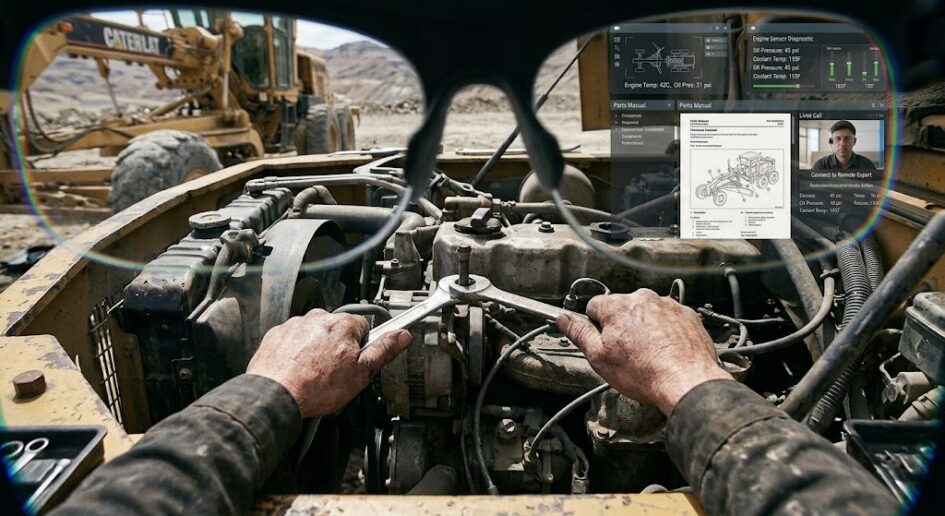
Image created by Gemini Current trades education has the training for each year jammed into 8-week chunks. The topics covered within that term can be quite varied and very intense. What would happen if those topics covered were separated and… Continue Reading →
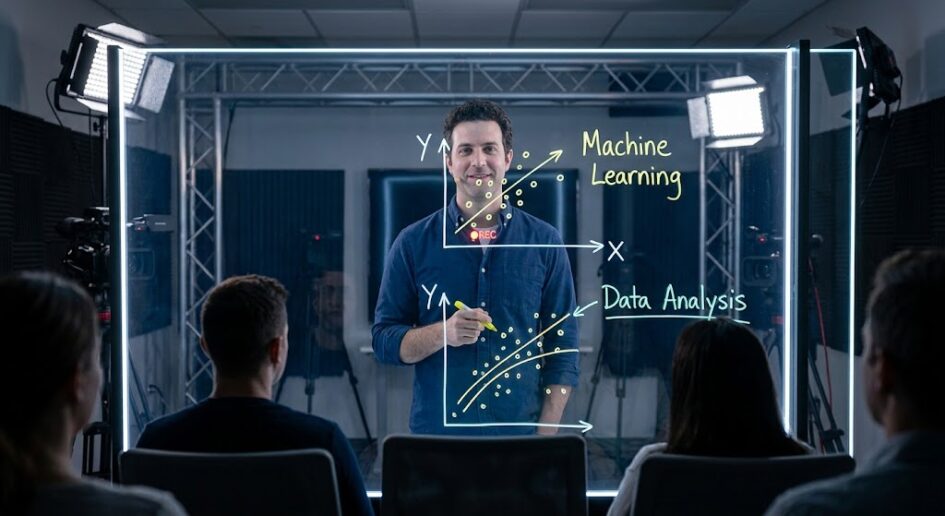
Image created by Gemini A Blog Post Creation by Ariel Castromayor and Ron Goerzen Smart-Lightboard Is a smart board a different vehicle to deliver the same old material, or is it a technology that allows for a new design? Smart… Continue Reading →
Bea Leiderman is an instructional designer and technology coach, with experience as a teacher and technologist in K – 12 education. She and her partner William Rankin, through their company Unfold Learning LLC , design and run workshops and seminars,… Continue Reading →


image created by Gemini. The Leaning Management System, (LMS), saved us during the pandemic and in many cases is still being used poorly today. In chapter 9, 2002, Weller (2020) talks about the LMS becoming the enterprise solution for universities… Continue Reading →
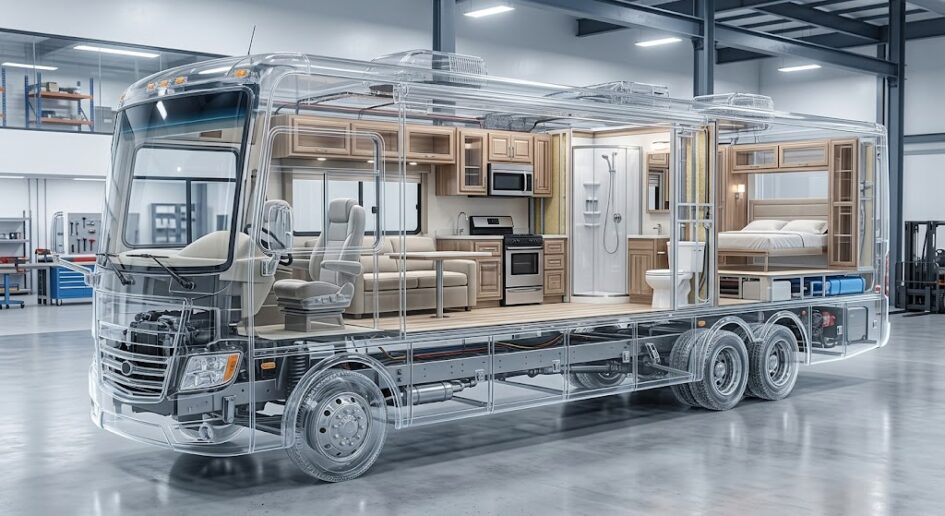
For me to become an instructor in the trades, I needed a Red Seal Certification, 5 to 10 years of experience, and the ability to make it through the interview process. After being hired there was a 5-day instructor course… Continue Reading →

This blog is a reflection on my Digital Identity and Digital Presence journey. My very first face on video and hopefully a reminder to myself where I have been and where I am headed. The video says it all so… Continue Reading →

People that live in rural communities have, for the most part, had to relocate to larger urban settings to gain higher levels of education. I teach skilled trades so the focus for this blog will be on that sector, though… Continue Reading →
Soaking in a hot body of water is a dangerous thing. As your body relaxes your mind can begin to wander and return to the big question of the day, What is a Digital Learning Environment?. Having just finished the… Continue Reading →
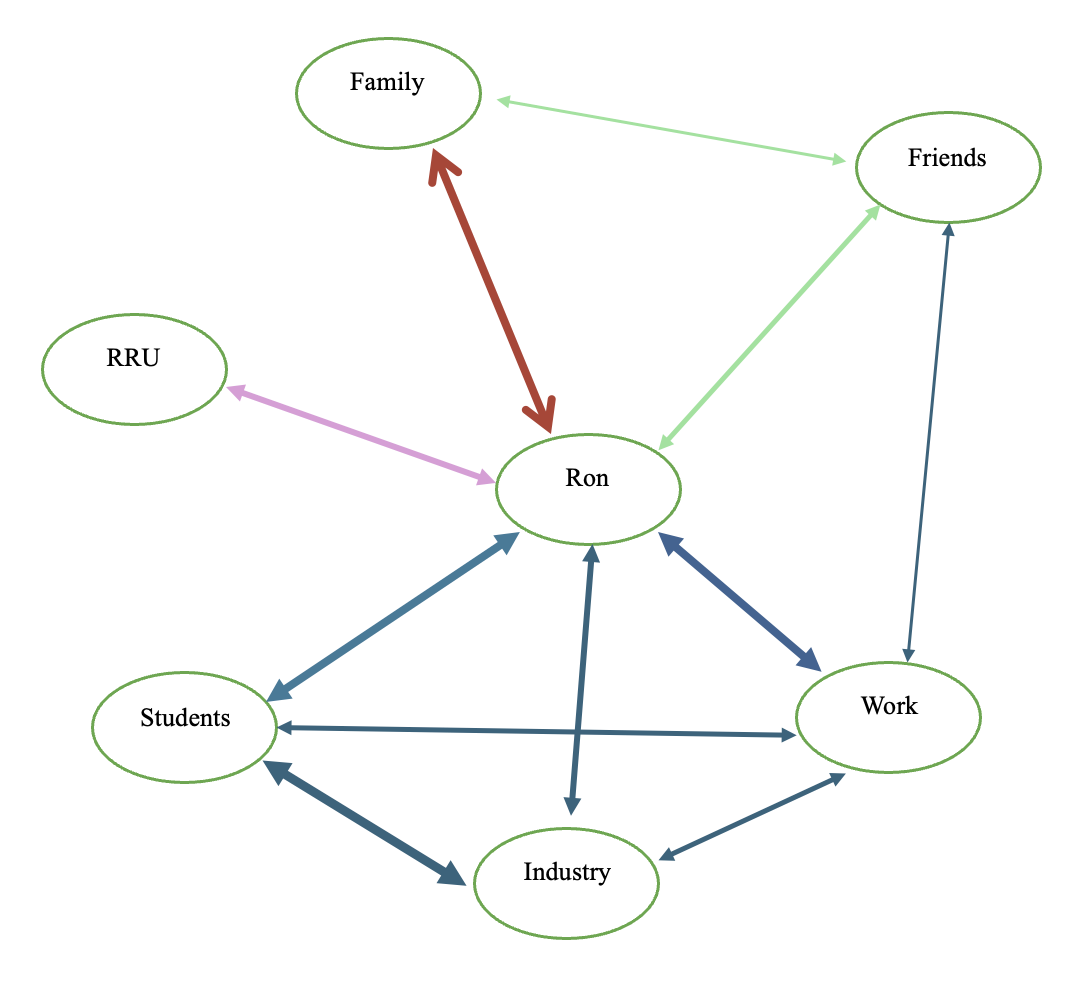
A virtual network should be a simple thing to map out, or not. I started by looking at other peoples maps and the technology that was used to create them. I like technology so I checked out some software to… Continue Reading →
What is my is my Digital Identity/Digital Presence? I have a Facebook account, a LinkedIn account, and I had a web site for a business I ran. How much of my life is searchable? I did a Google search on… Continue Reading →