Who is your assigned audience?
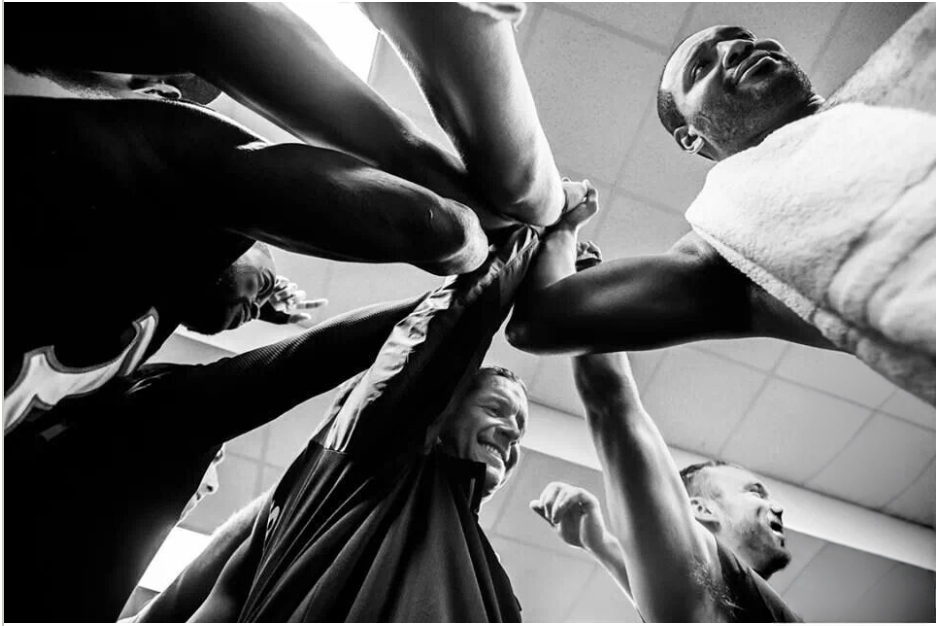
Recreational team sports coaches setting their players up for interpersonal success and strong, cohesive group performance.
Shared learning outcome:
Identify strategies for responding respectfully to disagreements that can occur on the playing field with the opposition and with each other.
For this audience, that means coaches help players recognize and use strategies to calm conflicts amongst themselves, and with parents or referees, and then model those strategies so their players learn them too. The coach is the learner. The team is where they practise what they learn.
Who they are
Recreational “team” sport coach is looking out for the physical and mental well-being of all players. Team dynamics are a point of connection for individual confidence and the best team and player outcomes. Setting the team up for success by modelling respectful behaviours even in times of pressure and by offering rituals that support how the team will be together Identifying the points of conflict that may and will come up within the team especially as positional expectations, skill building and development varies from player to player.
What experiences, needs or challenges might shape their learning?
Limited time (evenings and weekends), high turnover, mixed experience, and pressure from parents and competitive moments. Many may feel uncomfortable with conflict or come in with biases about what makes for a good teammates. These biases can greatly affect how they see each other’s contributions. They need short, practical strategies they can use in practice and at practice so that come game day, they are well versed in remaining respectful..
Potential barriers:
Time, varied buy-in and the emotional intensity of game-day situations, when it’s hardest to remember a strategy.
Contextual factors and design decisions:
The training should be short and hands-on and conversational. Coaches should practise the strategies themselves before using them with players, so the design is built around modelling.
What content will your learners engage with?
Conversation, play theory and physical activity, all of which foster deep respect for individuals and the power of team accomplishment. Specific strategies could include active listening, naming the issue calmly, cool-down or reset routines, and a simple behavioural model such as Robert’s Rules that always ends with a special meaningful closing to ground all involved in the conflict.
What activities will the players do?
- Physical activity: single skills that build verbal encouragement whether or not the skill is achieved.
- Whiteboard activity: team playbooks where the coach highlights how roles depend on each other, centred on best practices of support and respect for abilities. The coach highlights player combinations for on-the-pitch, high-stakes scenarios. Players begin to identify each other by their strengths.
- Players role-play: coaches practise responding to realistic scenarios (a player conflict, an upset parent, a disputed call) before taking these approaches to their teams.
Each activity gives players a chance to practise respectful responses at low stakes, so the responses are already familiar when the stakes are high.
How will you know if they meet the learning goal?
Either they follow a model of de-escalation set up by the coach and visibly practised during play, or you see them practising a way of closing out and level-setting a high-stakes, high-emotion interaction with a way the team has been taught.
Insights:
An underlying support for respectful responsiveness lives in ensuring every player feels valued. Skill ability is often obvious, but there are other skills that also make for a successful player. By valuing more than just the obvious, the coach can raise collective respect for and the value of each player, which in turn would make disagreements easier to work through, because players already trust and respect each other.
Surprises:
How much the audience shaped the design. Co-creation might be the best, most transparent approach. In order to get buy-in it might be best to have the team meet and co-create ways of being together.
Takeaways:
Often the skill needed isn’t inherent to the task. In ID, this reminds me that designing for an outcome often means teaching the skills around the task, not only the task itself.