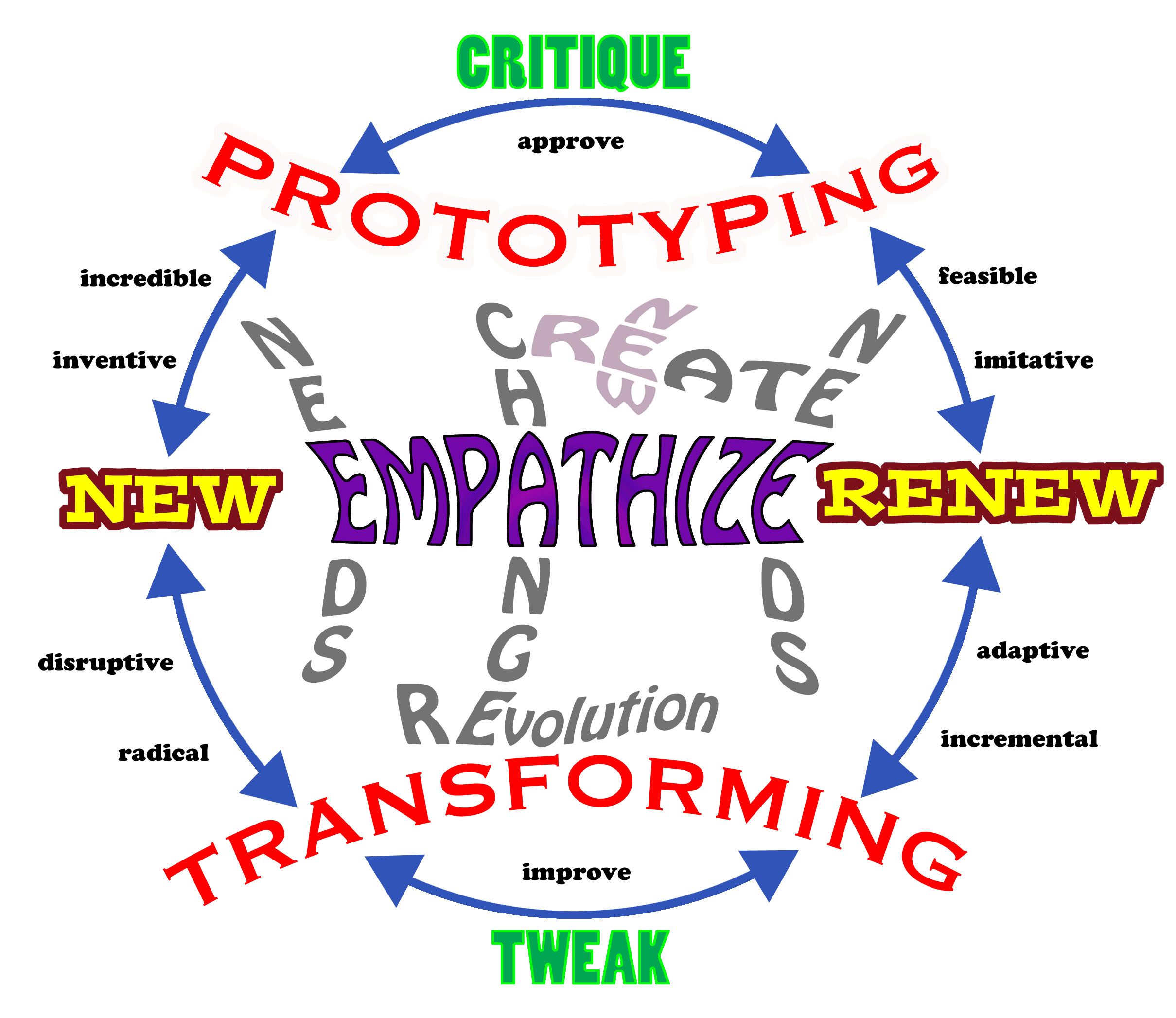
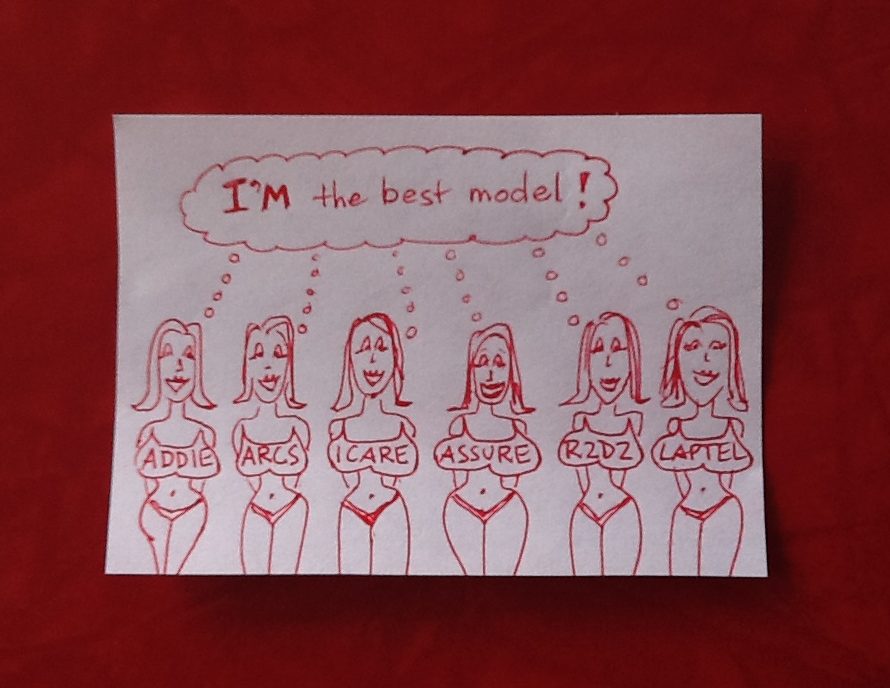
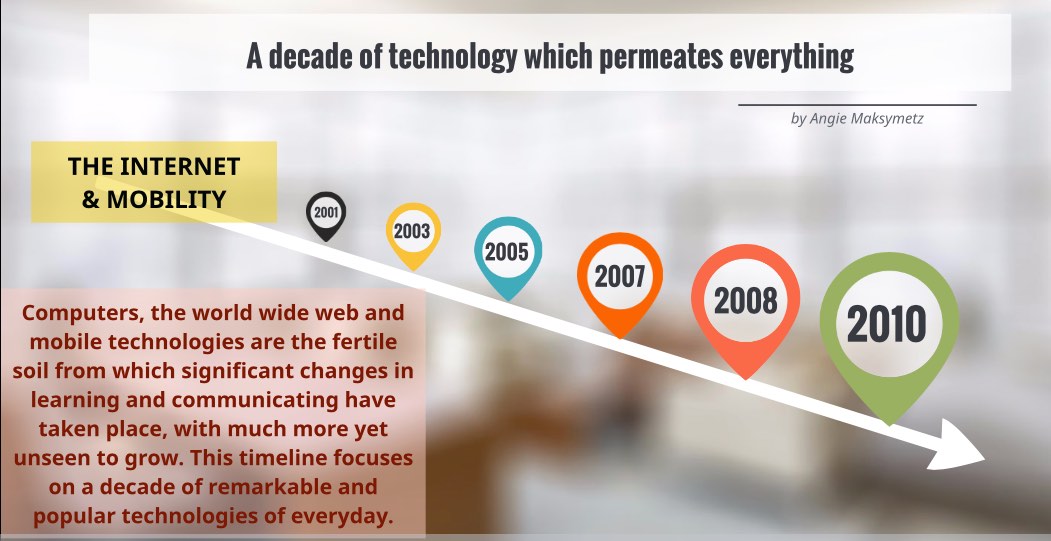
- How have the theories/models for change adapted to take into consideration our current technological, economic and societal contexts? Biech (2007) described more current models for organizational change as adaptations of Lewin’s foundational 3-step model (unfreeze, movement/transformation, refreeze) which is sometimes considered too simple and obsolete (especially for addressing the challenge of refreezing in a fast-changing world). Newer theories and models are tailored to address current contexts. “Organizations of today must be agile and flexible” (para. 30).
- Which theories/models do you think best align with your own approach to leadership? Do these approaches align with your organizational context? After completing the Unit 2 readings, I feel most drawn to the CHANGE model described in Beich’s (2007) work. If I had to map out my organization’s current change model, it would look like this: (1) Verbally present new idea (2) Jump in and do it (3) Adjust it and fix it (4) Repeat. There are never any studies, reports, or consultation beyond a vague verbal picture of “this is what I want” from the boss with perhaps some input from bystanders. I recognize this model is not as feasible in larger and/or public organizations. I think there is plenty of room for improvement, especially in the more careful adoption of new technologies (there has been an awful lot of wasted time in troubleshooting), but our organization’s low level of red tape with a small team who are generally on the same page allows for quick changes and maximum flexibility.
- What role does leadership play in managing change? Effective leadership for facilitating change will communicate the value of change, assess change readiness, get relevant parties on board and committed, and provide the skills, resources, and time needed for implementation (Weiner, 2009).
- What are the unique challenges in managing change for learning in digital environments? Weller & Anderson (2013) offer a model based on resilience. What attributes do you think would work well within your own context? Beyond an organizational change in general, digital learning environments must additionally navigate unique technical challenges that go along with system upgrades, applications which are not interoperable (Feldstein, 2017), and the demands on skills and time for affected parties. I believe what would work well in my organization’s context is the Appreciative Inquiry approach which Beich (2007) described, plus a friendly, steadily, and naturally progressing path of change with consideration for the experiences of organizational members which is depicted in the Udas (2008) blog post. Legacy, brand loyalty, and history can be what makes organizations successful, but can also hinder future progression if there is resistance to change while clinging to the past. “Resilience requires adaptation and evolution to new environmental conditions, but retains core identity” (Weller & Anderson, 2013, para. 12).
References
Biech, E. (2007). Models for Change. In Thriving Through Change: A Leader’s Practical Guide to Change Mastery. Alexandria, VA: ASTD [Books24x7 database] [Note: you will need your RRU user name/password to access as this is in the library]
Feldstein, M. (2017, May 28). A flexible, interoperable digital learning platform: Are we there yet? [blog post].
Udas, K. (2008, June 30). Distributed learning environments and OER: the change management challenge. [blog post].
Weiner, B. J. (2009). A theory of organizational readiness for change. Implementation Science, 4(67).
Weller, M., & Anderson, T. (2013). Digital Resilience in Higher Education. European Journal of Open, Distance and E-Learning.
Feldstein, M. (2017, May 28). A flexible, interoperable digital learning platform: Are we there yet? [blog post].