
Are Apps Becoming the New Worksheet? Lee Skallerup Bessette
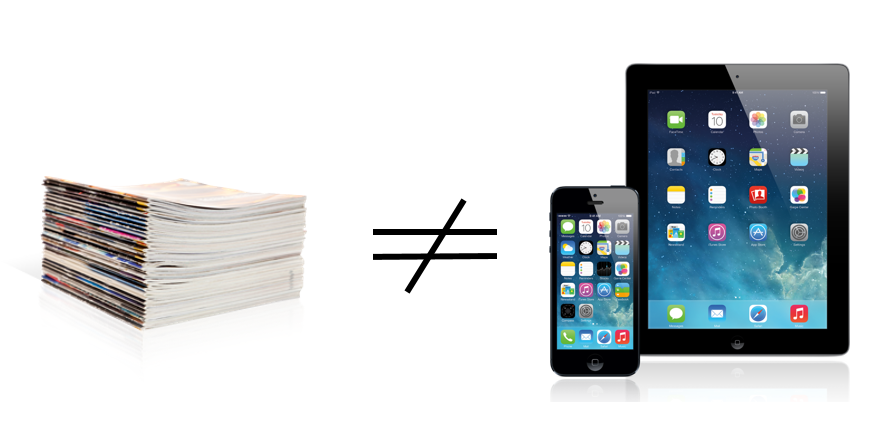
In his article, Bessette tries to decipher the difference between old-style school worksheets and school Apps on computers by giving a personal recollection of his own kids’ experiences at school. He notices a familiar scenario when his daughter school work, although on a computer, was very similar to his experiences of school work such as worksheets, and rote learning. The computer apps his daughter was using was just a recreated version of the same activities that teachers have been using for generations (Bessette, 2017). They were more colorful and entertaining, but simply produced the same type of material, and interestingly the praise of music or singing offered her the positive feedback that again could have been from a human, the teacher.
With the summary of the author’s daughter’s experience of learning with technology, we would think that this would align with Clark’s (1994) article where it is believed that regardless of the media the student will have similar learning outcomes. Bessette continues his experiences with his son’ learning, which, as it turns out appears to be very different than his daughters. His son prefers technology games that are more creative, open-ended, and have problems that allow him to experiment (Bessette, 2017), experiences that potentially are unique to technology? Kozma (1994) would suggest that the environment and the cognitive processes his son experiences (playing these games for example) displays the potential for a media and learning relationship. The learning experience would then lead to more creative ways and motivation for his son to continue with his learning.
Bessette continues to suggest that institutions need to break away from old practices, and engage outside the classroom walls, and help “make your classroom into a microcosm of those communities” (Bessette, 2017). Here the relationship, between the community and technology, again is important to student learning. Bessette offers a suggestion of taking apart technology, learning how the technology works, and how to speak the language. By doing this, the students are learning how things work and now potentially given room for a new creative level? Could this new understanding and engagement of learning and environment “tip the balance in favor of learning?” (Kozma, 1994). If we stick to Clark’s theory, then Bessette’s kids will not learn anything different than with his teacher many years earlier without technology.
If we are looking for a future that is bright, innovative, and creative, shouldn’t we follow the hope Bessette has for his children’s future of education, and the urgency Kozma has that we need to believe in the capabilities of media to influence learning to see that future come to fruition?