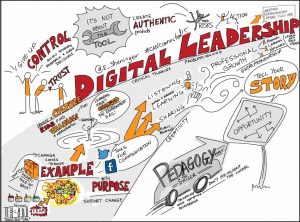
Photo Attributes CC0 1.0 Universal (CC0 1.0) Public Domain Dedication
How change models have adapted in response to advances in technology has been a progression from a specific behavior emphasis, through to a group dynamics perspective, and now a recognition that broader open systems have both internal and external environments that directly influence the organization. Main aspects of change strategy, according to Anderson and Ackerman Anderson (2001), are content, people and process. Technology (content) is the primary driver as it provides the medium. Global competition has introduced a lean methodology (process) that is characterized by constant improvement or adaptation. Similarly, Womack and Jones (2003) suggest those lean change methods revolve around three fundamental areas: purpose, process, and people. People are more connected than ever and increased mobility, urbanization and new forms of social and cultural interaction require a rethinking of current theories/models for change. In response, open systems models that are characterized by their responsiveness to the external environment while considerate of the existing core state are needed. Leadership’s primary role, therefore, is to create a climate for open systems thinking.
Peter Senge’s Five Disciplines model (Senge 1990) focuses on group solutions; he expresses the need to approach your work with a shared vision understood at all levels. A rules-based policy cannot define an organization and leads to a culture that is willing to subvert its values. Building Shared Vision is a practice of unearthing shared pictures of the future that foster genuine commitment and enrollment rather than compliance.” (p. 9) Teamwork is essential, and leaders must put the team above any personal gain or prestige and act holistically. Team Learning starts with dialogue, the capacity of members of a team to suspend assumptions and enter into genuine thinking together.” (p. 10) Personal mastery is core to systems thinking and whatever your station is, you strive to achieve your very best. “Personal mastery is a discipline of continually clarifying and deepening our personal vision, of focusing our energies, of developing patience, and of seeing reality objectively.” (p. 7). The five disciplines are interrelated and necessary to create a functioning, growing organization capable of buffering change. Leaders must set the example by achieving personal mastery of their functions, communicating the vision, resolving conflict or miscommunication, promoting harmony, and facilitating team learning.
In my current context, teaching an international student cohort in a business school, we are in a vulnerable state being of dependance on one sustaining population and delivery modality., I believe digital resilience, as described by Weller & Anderson (2013), is a question of diversity. There is a need for a more diverse student base at the college, and the digital systems to serve them. This panarchy of the external influences mainly federal immigration and provincial education policy, requires a change model to resist a catastrophic external change and still maintain our identity. The key to achieving resilience in the digital age is reduced dependence on a single revenue source, student demographics, delivery format or technology to offer protection from an unpredictable change in the complex educational ecosystem in which we work.
References
Al-Haddad, S. and Kotnour, T. (2015), “Integrating the organizational change literature: a model for successful change”, Journal of Organizational Change Management, Vol. 28 No. 2, pp. 234-262. https://doi-org.ezproxy.royalroads.ca/10.1108/JOCM-11-2013-0215
Senge, Peter M. The Fifth Discipline: the Art and Practice of the Learning Organization. New York: Doubleday/Currency, 1990.
Weller, M., & Anderson, T., (2013). Digital Resilience in Higher Education. European Journal of Open Distance and E-Learning, 16(1), 53-66.
Womack, J.P. and Jones, D.T. (2003), Lean Thinking: Banish Waste and Create Wealth in your Corporation, Free Press, New York, NY.

Leave a Reply