For me to become an instructor in the trades, I needed a Red Seal Certification, 5 to 10 years of experience, and the ability to make it through the interview process. After being hired there was a 5-day instructor course and a few weeks of shadowing another instructor. For the trades, and I believe for many higher-level educational courses, the instructor is selected for their subject matter expertise and not their ability to communicate that knowledge. My own experience has gone from frantically studying the material and awkwardly presenting power point slides to having conversations with my students. My role as instructor started in October 2019 and I managed to have two full cohorts of students before the school was shut down during the first week of a new class. The changes we went through were monumental, in-person paper everything to fully on-line lectures with all material on D2L and Zoom lectures. Shop classes were restricted in size and the project format completely changed.
During all these changes we were making adjustments based on necessity and available technology, learning as we went. The panic is over and now we are left with what we created and trying to find ways to make it better. Weller’s book 25 Years of Ed Tech in some ways shows this process reoccurring as technologies and philosophies change, though possibly in a more controlled fashion. Studying the past and understanding some of the interconnectivity between teaching methods and technology can help to guide, hopefully, changes made moving forward. What is not fully mentioned is the motivation for the changes, do we make changes based on the fact that we can and it should work better, or are we identifying a need and trying to fix it.
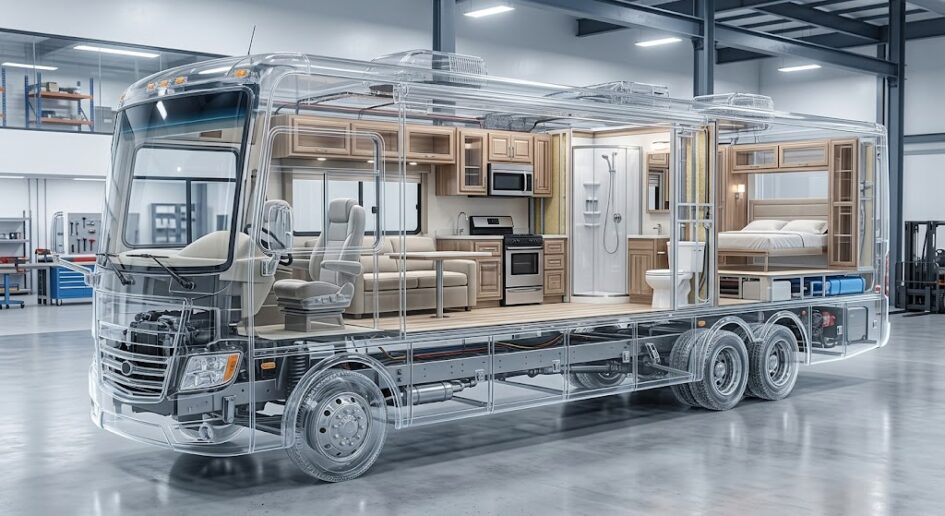
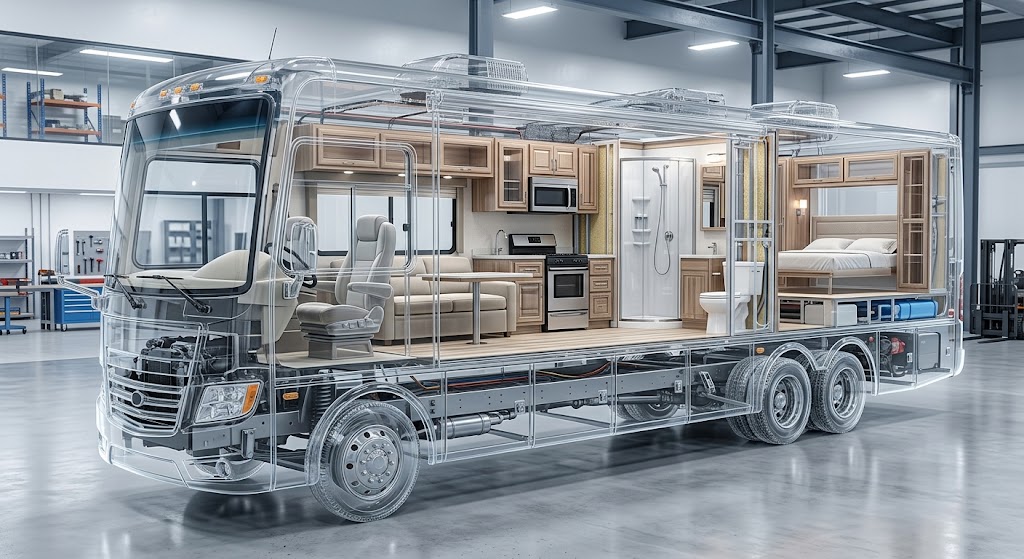
I few years back I joined a Teaching Innovators Program (TIP) to try and develop some cool stuff for my students. I had read an article in the school newsletter that highlighted a construction instructor that had created a virtual building that students could walk through and examine. My first thought was wow, what about a virtual RV, that would be good for our students. As I talked to colleges and bosses about the idea I began to realise that it was cool to me but had no real instructional purpose without major financial investment and lots of time. The key I realised was to look at what we are doing, see where the students are struggling and collaboratively design what is needed to help them understand. As Weller (2020) points out, the students should always be the reason for the design and I believe that working with them toward a solution gets the best results. The past can inform the future, but we need to keep in mind that even as technology changes our motivation should always be focused on the students and what they need to move forward.
31 August 2026 at 11:24 am
Image created by Gemini
4 September 2026 at 3:22 am
Hi Ron,
I really like your point about how new technology should not motivate a change to curriculum design. I too have encountered situations in the past where we’d hear about other HE institutions opting for a new tool supposed to elevate the learning experience and influence others to follow. More often than not, using these tools creates an additional load on the students and, worse, degrades their learning experience. It is a good reminder that curriculum design should influence the choice of the tools and not the other way around. Perhaps the best way forward is to learn from these past mistakes rather than repeat them.
Flo