Activity 5- Behaviorism, Cognitivism, Constructivism: Comparing Critical Features from an instructional Design Viewpoint.
Ertmer, P. Newby, T. (1993) researched the fore-mentioned three theories of instructional design on a perspective that comparison which theory provides the best method of teaching and learning within each of the theories and practices. Reflecting on the theories I used in the instructional design of a multilingual Internationally utilized training program for a Directional Drilling Company. In the original design phase, the Project requirements needed a safety component, a field operations component (Directional Drillers and Measurement While Drilling operators), Office / Research and Development (R&D) section, and technician training. The viewpoint taken by the company was to provide standardized training to all regions with an emphasis on the learner within each the job description and level of that job. This, in my opinion, all three theories; Behaviorism, Cognitivism, Constructivism, applies in the design stage. As with Ertmer, P. Newby, T. (2013) Behaviorists ideals and theories provide a model that fits into the corporate safety regulatory requirements in providing behavioral verification through observable and measurable outcomes. I utilized Behaviourist theories for new or inexperienced employees, in setting a start point and directing the training in Safety regulations and safety behavioral expectances by each employee, distinct training by job description and level within that job (trainee level). Putting the entire company through a specifically designed course load in safety, setting a baseline and building buy-in in the use of the new online training. As the Next phase of was introduced, Job-specific training by job level within that job was provided expanding from the Behaviourist theories to include Cognitivists principles. Those with a higher level of training could challenge the exam, however, the goal was to provide an opportunity to learn through both Hands-on (actual assembly, program and understanding data retrieved from the downhole tool). and theoretical information in geology, Directional tool design, functions, and operation. Designed also from an end user point of view instead of this is “How the tool works” (Engineering point of view) a “How do you work the tool” approach was used. I Personally found both views are needed in providing an appropriate training program to the employee and being able to verify understanding for the second-hand level or intermediate level. In the Design stage, a structured training map gave the employees options in career development allowing them to determine possible advancement paths through the company. In the Final Stage (Lead hand) or certified operator was now used to both Behaviorism, Cognitivism, and a concerted effort was made to transition from a “here is the answer” type of training to an ability to utilize the critical thinking and troubleshooting mindset, just as Jonas son (1991a) described the three stages of gaining knowledge the level of knowledge needed varies at each stage of training. Constructivist views in collaboration and interactability by other lead hands was always supported and encouraged and as technology improved and the mindset was changing due to the technological advances and the changing culture. As described by (Sharples et al., 2005,p.7) the changes in technology and ability to access information, people have changed how we learn; the learners are by far more technologically connected than ever before. This phenomenon changed the learning world.
Monthly Archives: September 2017
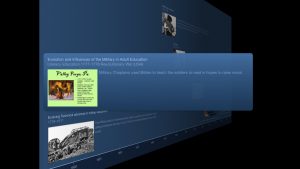
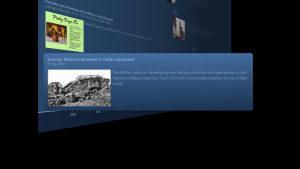
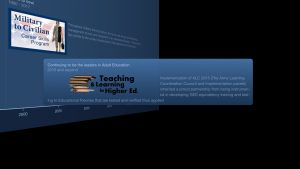
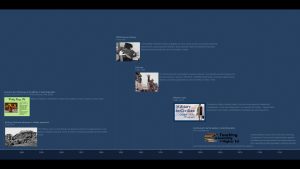
Military Influences in adult learning



Adding Twitter to your RRU Word press site
In my search to add twitter to my Blog has been an interesting endeavor, Steve(also a cohort in the MALAT program) was extremely helpful and to that I say thanks! If anyone else wants to add their twitter account to their blog. Here is what you can do!
Note: there are certain Themes and templates that won’t let you do this
Adding Twitter to WP.
-Go to Twitter.com (Login)
-Click on the Icon with the 3 horizontal dots ( : looks like a colon with an extra dot)
-This takes you to options to click on “embed this profile”
-Embed timeline and Copy Code.
Go To Blog Dashboard and sign in
Scroll down to appearance tab in the menu – open
-go to Widgets –
find the “shortcut ultimate” and drop into the sidebar open and add code from Twitter.
My digital presence
Reflecting on my digital presence has led me to analyze the structure of the MALAT program and the way it is designed. What I have learned is that there are many different ways to incorporate the collaborative learning styles and techniques introduced throughout this program. Schmid et al. (2014) article on the important effect technology has in supporting communication and student interactions, through a collaborative learning process. Schmid et al,(2014) researched and recognized that many theoretical frameworks could be applied to distance and online education. (Anderson, (2003); Beldarrain, (2006); Moore, (1989)) all found the interaction between students, their colleagues, teachers, and content were extremely important in promoting greater achievement and long-term success. The study however also found that a likely assumption by educational practitioners, in providing the student with the opportunities to interact, will in turn automatically provide a collaborative and successful outcome. (Abrami et al., 2011; Kanuka & Anderson, 1999). A study performed by Borokhovski et al. (2012) theorized given an opportunity to interact doesn’t provide a guaranteed result, however, has not been truly verified through the research. The research did find an intentionally designed interaction greatly outperformed contextual designed interactions. This leads into the intentional and directed approach used in developing an online identity.
I felt tremendous tension, stress, and anxiety as I started this course and dived into the creation and cultivation of my digital presence. My original laptop had either picked up a virus or couldn’t handle the new programs I had downloaded causing the computer to freeze (5 years old and very cheap). There were many technical issues that I had to figure out on my own, as I switched from Windows-based Laptop then to a new MacBook Pro. Learning the platform differences within the use and function of applications such as Microsoft Word, to how to navigate the different operating system in itself increased the anxiety and confusion I experienced. With these computer related issues coming at a time when the initial links and digital presence was being implemented. These issues compounded the stress I felt, in attempting to complete assignments and setting up the initial online presence.
Distance learning and adult learning theories applied to online does require a technical support system for student interaction, due to separation in space and time. In regard to the students, teachers, and peers, this separation from face to face interactions places a much higher emphasis on technologies and their ability to communicate and function in a collaborative manner.
In determining the direction, I wanted to follow in developing my online presence, I needed to establish where I was comfortable in my online presence and its usage. Looking at my online presence through four categories, personal time spent, institutional (School- Work) time, as a visitor (browsing), and as a resident (comfortable in this technological space) in regard to online social media’s current communication methods. What I found is that 10-25 % of my time was spent online, out of which 50% of my personal time was spent on social media such as Facebook and LinkedIn. Text and email were consistently in the 10-20 % range with an average comfort level. I did, however, find it interesting that until starting this course, I had never entertained a need for tweeting, blogging and utilizing separate collaboration program such as slack. This may be due to the corporate mindset of the company I was with, who were concerned about security and all communication was through a structured and restrictive internal use process. This all comes back to my comfort level and my initial buy-in into the usefulness of Twitter and Blogs, being new to this community, I felt completely like a visitor, lost and overwhelmed by the influx of sensory overload.
Deciding on where to go from here, the reading material provided, such as in Boyd’s (2010) draft article in which emphasizes the growing aspect of social network sites and how that growth intertwines the lives of friends, families, and strangers. The internet, social media and your online presence connect many differently perceived groups together. Social media through the various group functions, recognize patterns or keywords to suggest and even promote other groups and or pages broadening connections and interactions. Diving further into how the digital presence works in relation to the risks and rewards or even benefits and or negative impacts on my presence online.
Slagter van Tryon. (2009) discusses how learning through face to face methodology and online learning differs in a sense of social disconnect and the inability to view social and sensory clues on the intent and meaning of the conversation online. This resonates with me, in the sense that I’ve watched emails and communication derailing conversation and communication through perceived or misunderstood meanings. Biocca, Harms, and Burgoon (2003) focus on the how technology mediates social interaction. Slagter van Tryon. (2009) implies that in the absence of social clues the learner fabricates or perceives connections and builds on these assumptions to make the connection. The process of social cognition and its impact on deciphering information to better understand or put their own perceptional context to the information gathered.
In the process of reflection, I personally saw the use of the social assumptions and perceived connections I made and how that impacted my online presence. Having been diagnosed with PTSD from military service, and after years of therapy, I now know how perceived threats and triggers even when unfounded can affect the thought process. This all leads to the discussion making process on how these influences impact the online persona and what choices I will make in designing my online presence. Referring to the graph above, I’ve come to realize my online presence is on average currently very minimal, there will be areas such as Twitter and LinkedIn where a more concerted effort will be placed. Programs and communication tools such as Slack are becoming more familiar and have had the ability to meet the team at residency has made this transition much better. That being said, in my current situation, my choices to be a little less open and controlled in developing my online presence. Twitter and the Social media tend to trigger my fight or flight responses, especially when topics arise that through my experiences, may cloud and or influence my thought process. Having the understanding on how and what happens in my thought process has made me second guess many of my responses and look at the validity of my reactions. This in itself has been guiding me to read posts only, with the occasional retweet and like. I find myself researching comments and online claims more than before, checking for the validity and source. However, the thought of not participating is not where I want to be, I hope I can bridge this gap with further research and the critical thinking skills being developed through this course.
Coming from more of a corporate side of my experiences, Blogging and using Youtube was never high on my priority list. All videos and training material developed were done so with the understanding that the equipment tools and procedures held proprietary information that was deemed critical in maintaining an industry advantage and security. I have come to realize that open discussions and group discussions can enhance the learning experience and am exploring various programs and options in social communication methods available. I am finding that the in the design and implementation of my blog between restrictions in the version of Word press and or advantages in use in comparison to other themes. Testing out various themes and how to link items such as Twitter or a calendar to my blog has proven interesting, I thought the utilization of You-tube and Web searches I’d find answers, it only brought questions. Also, being new to Word press and blogging sites, some confusion with the RRU supplied word press site and due to administrative restrictions, are adding to the confusion in setting up this site. A clearer document on what you can do and how to do it would be helpful. What I’ve also found helpful was access to other cohort’s reflections, some of their insights and directions are taken in the development of my plan. Blogging and Tweeting have been something I’m having difficulty with, looking at some of the suggestions and plans being developed I am going to set a minimum of at least two blogs or posts per month to get used to this process.
In conclusion, I’ve been trying to determine the direction and extent of my digital persona, I know it’s a moving target and changes as I grow and learn. Understanding myself as well as the meeting the needs of this course are of high priority to me. The reading and discussions are showing me the value of a well-rounded digital presence, and the drive to contribute to the academic community with the ability to make a difference in the quality of the lives and wellbeing of those being trained. I view my online presence as a fluid or moving target, hitting the target may be difficult, but through practice, guidance and teamwork, I will eventually succeed. Narrowing down what works and what doesn’t work for me will be a continuous endeavor, keeping an eye on the target and adjusting to the changing environments that may induce other triggering events and distractions. Just as in sighting a target through iron sights, accuracy improves with practice, trial, and error and by sending rounds down range. Learning from your mistakes and accepting counsel and criticisms, has been a tenant of my growth goals, as well as maintaining ethical and honorable personal traits.