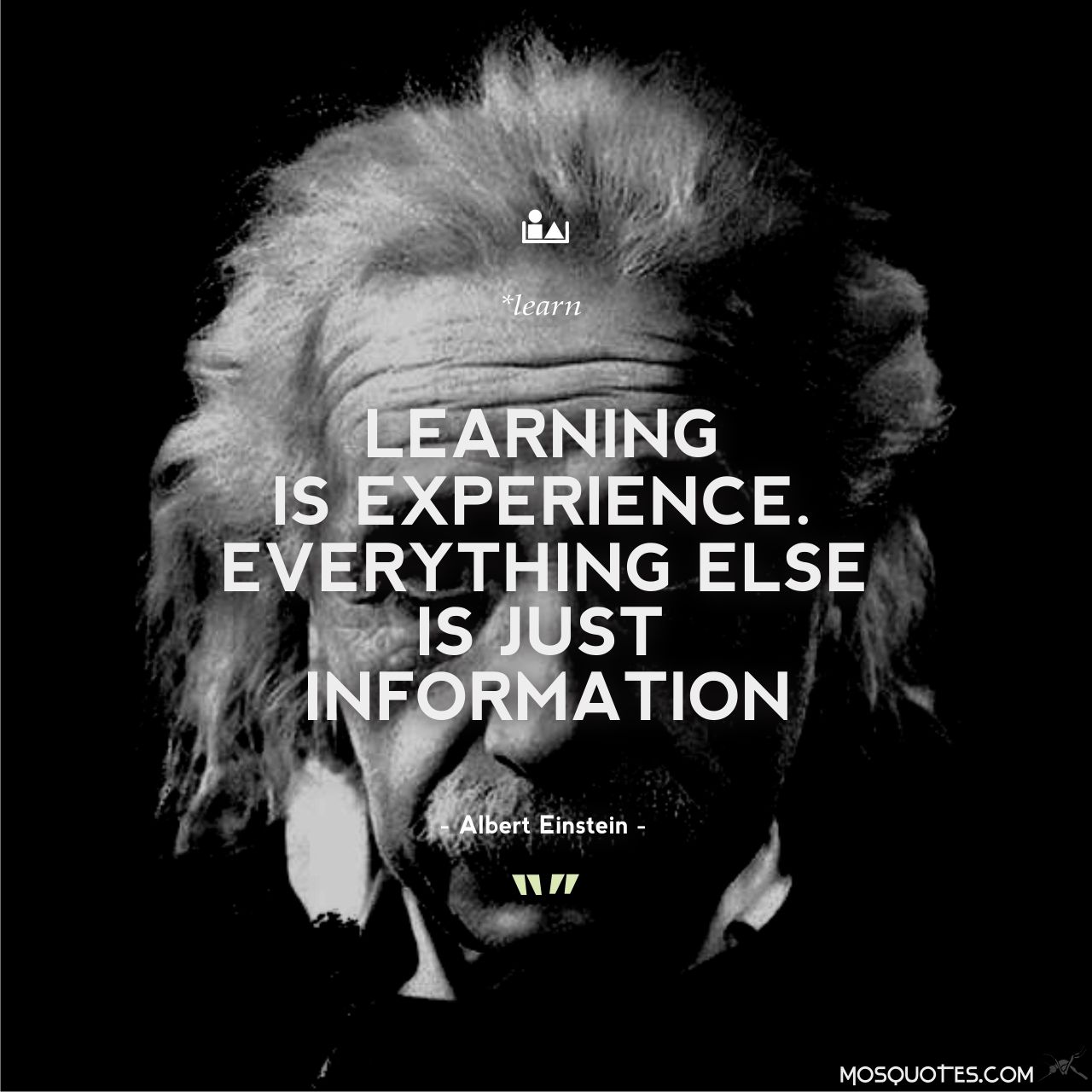
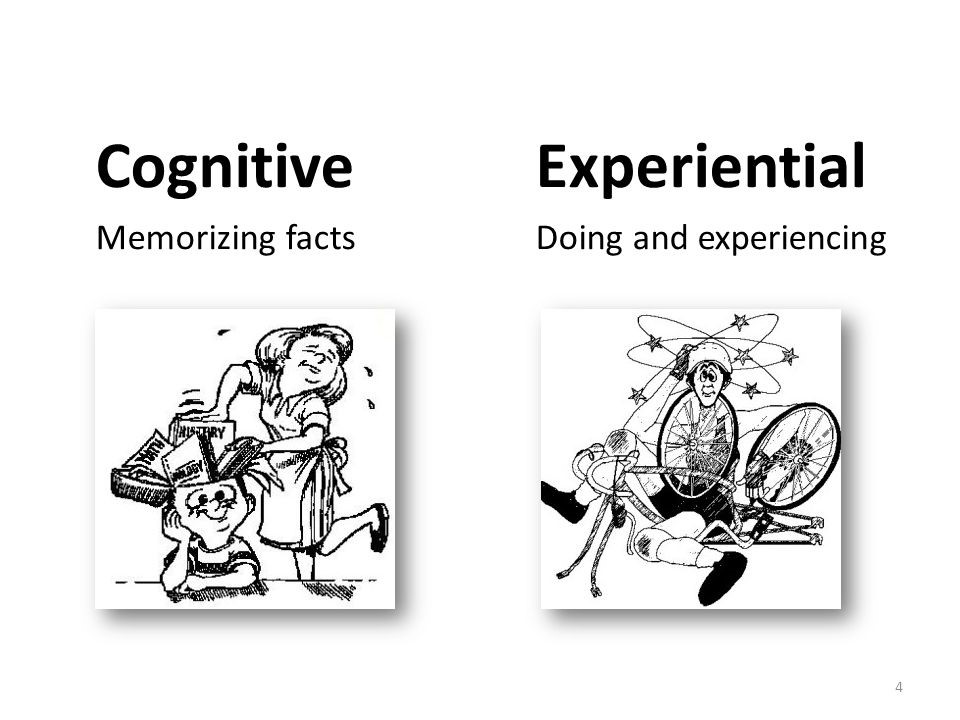
While investigating the many different theoretical frameworks to assist in my research, I debated between the Constructivism Theory and the Experiential learning theory (ELT). In comparison, both theories could assist in substantiating my research and guide me with my research question. While comparing the two theories, Dewey’s philosophy of Constructivism theory is that education is the knowledge built through an individual’s interaction with an environment (Kilpatrick, 1953). Kolb and Fry emphasize that ELT is about learning and creating knowledge through experiences (Fromm et al., 2021). ELT assists with the delivery and foundations of the pedagogy known as “project-based” or “experience-based” learning that involves the development of skills and understanding in a hands-on environment (Radford et al., 2015).
Experiential learning theory has become increasingly connected with digital technologies and virtual reality (VR) environments, specifically supporting learners by applying knowledge and experiencing in a realistic digital simulation or replicating an environment and building on other theories (Chang et al., 2020). Although ELT currently stands out as the top theoretical framework of choice for my current research, I am skeptical about my choice. I wonder if using the ELT framework is the right choice to answer my main research question of how the implementation of virtual reality/simulation training in a clinical learning environment affects clinical competence in health care students in postsecondary education? Is there another theoretical framework that could have a more significant impact on my research? or do I use the theory that is becoming increasingly connected with digital technologies and also within healthcare education?
References
Kilpatrick, W. H. (1953). Dewey’s Philosophy of Education. Educational Forum, 17(2), 143–154. https://doi.org/10.1080/00131725309341597
Radford, S., Hunt, D., & Andrus, D. (2015). Experiential Learning Projects: A Pedagogical Path to Macromarketing Education. Journal of Macromarketing, 35. https://doi.org/10.1177/0276146715573834
Chang, Y. S., Chou, C. H., Chuang, M. J., Li, W. H., & Tsai, I. F. (2020). Effects of virtual reality on creative design performance and creative experiential learning. In Interactive Learning Environments. https://doi.org/10.1080/10494820.2020.1821717
Jen Chen, C. (2009). Theoretical bases for using virtual reality in education. Themes in Science and Technology Education, Special Issue, 71–90. https://files.eric.ed.gov/fulltext/EJ1131320.pdf
Fromm, J., Radianti, J., Wehking, C., Stieglitz, S., Majchrzak, T. A., & vom Brocke, J. (2021). More than experience? – On the unique opportunities of virtual reality to afford a holistic experiential learning cycle. Internet and Higher Education, 50(March), 100804. https://doi.org/10.1016/j.iheduc.2021.100804
Virtualizing Experiential Learning: Tips + Resources for Experiential Learning Educators. (n.d.).
Hi Cheryl,
I’ve worked with Kolb’s Experiential Learning Theory quite a bit in my course build for BC Campus. Although ELT does emphasize learning through experience, perhaps the bigger piece is how it encourages students to reflect on their learning experience and form action plans based on their observations which they can then use in their next problem-based learning experience. Some of the student feedback faculty has received from my course design is that learners become more introspective about their learning process, proclaiming they better understand what they need to do to be successful in future learning challenges.
I’ve seen a few articles on IVR that suggest reflection to be a key part of improving IVR pedagogy (sorry I can’t cite them on the top of my head without looking them up, but they’re out there). If you can find these sources, or if you already have found them, this to me gives you some nice validation that ELT is a good choice to underpin your approach. Assuming your IVR applications are procedural, I personally think ELT would be a perfect fit as your theoretical framework since reflection can be instantiated both before and after the simulation.
Cheers,
Jonathan
Hi Johnathan,
Thank you for the amazing resources I have a few but not all of them so I will book mark them. Also thank you for also validating my choice of framework to use, sometimes it takes another’s opinion to realize the potential behind what you have chosen. The road to research has many paths to follow and it’s often hard to stay on one.
Thank You!
Cheryl