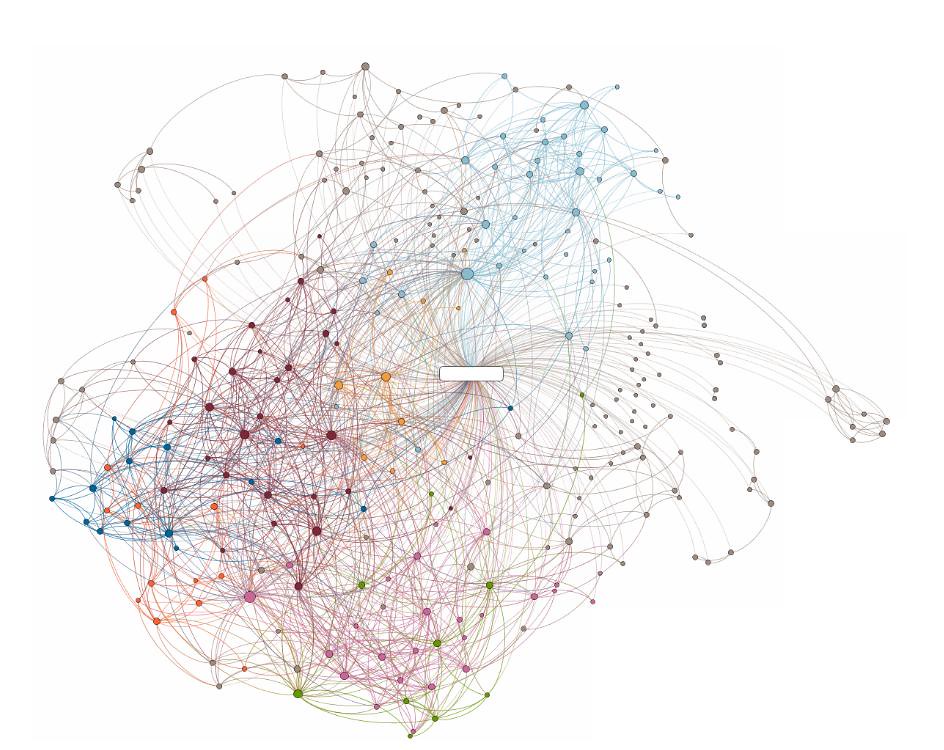
We were asked to reflect on the impact that networks, sets, groups, communities and collectives will have on our digital identity and digital presence plan that was posted last week.
My first goal is to be a more collaborative digital citizen; therefore, building networks would probably have the most significant effect. As Dron and Anderson state in their book Teaching Crowds, networks are fluid, promote social engagement, and “foster cooperation” (2014, p.135). Collaboration needs room to grow and change, and creating various networks would seem to have the most impact while working towards becoming a more engaged online citizen.
Secondly, I would like to share my resources in an open setting. I need more boundaries and limitations to protect what I’ve created to do this. For this goal, groups would be ideal. Dron and Anderson suggest that groups have clear boundaries, a purpose, and rules in place; certainly a more structured approach than networks (2014). To maintain ownership of my materials while still allowing them to be used is paramount for me.
Collectives are also an interesting subject regarding both goals. Collectives are a collection of products, artifacts, and actions of people (Dron and Anderson, 2014), yet the ‘teacher’ aspect of a collective is not the main focus of either of my goals. This shows that I could have multiple modes of connections (some collective aspects, some network aspects, etc.) when I am working towards each of my goals; a kind of “mix-and-match” approach.
As my learning continues, I am eager to interact with these various modes and see what impact they will have.
References
Dron, J, & Anderson, T. (2014). Teaching Crowds. Athabasca University Press. https://doi.org/10.15215/aupress/9781927356807.01