My organization was recently challenged by the need to track the increasing volume of patients that were being treated while recovering from occupational injuries. The need arose as the volume of patients increased, and the previous paper system of tracking and filing these patients was becoming insufficient. A streamlined, digital solution was needed. The need for change was driven by several factors:
- An increase in patients limited the time that could be spent reviewing each case as they came in
- Patients were at varying levels of rehabilitation and treatment and required individual case management, often this needed to be updated and reviewed each visit
- The addition of new staff required a new process that could be easily communicated and followed
- A streamlined system was needed that could be easily referenced and shared with medical oversight
The benefits of a new digital system included the patients, medical staff, and the overseeing client, and were identified as follows:
- The patients would receive rapid care with limited need for redundant paperwork and assessments
- Reduced time reviewing the cases would reduce the cost-time to the client
- Digital charting on case management would limit time spend on paper charting, as repetitive information could easily be copied from one visit to the next
- Resources and handouts could be attached to each patient case file and retrieved electronically
- Media such as photos could be scanned into the case review file for tracking of injuries and progress
- Data regarding each case could be clearly obtainable and used for monthly reports if required
The project plan was initially developed as a digital file system with an assessment template that was filled in by the practitioner during each patient visit. Each previous visit was attached to the patient’s file by date for reference. Once the case was closed a discharge review was done and the patient case file was uploaded to the patient’s main medical file. The team provided input during the development of the system such as which templates to include, and which critical data would be visible in the file summary for ease of identifying where the patient was in their plan; for example, the initial date of injury, and their next appointment.
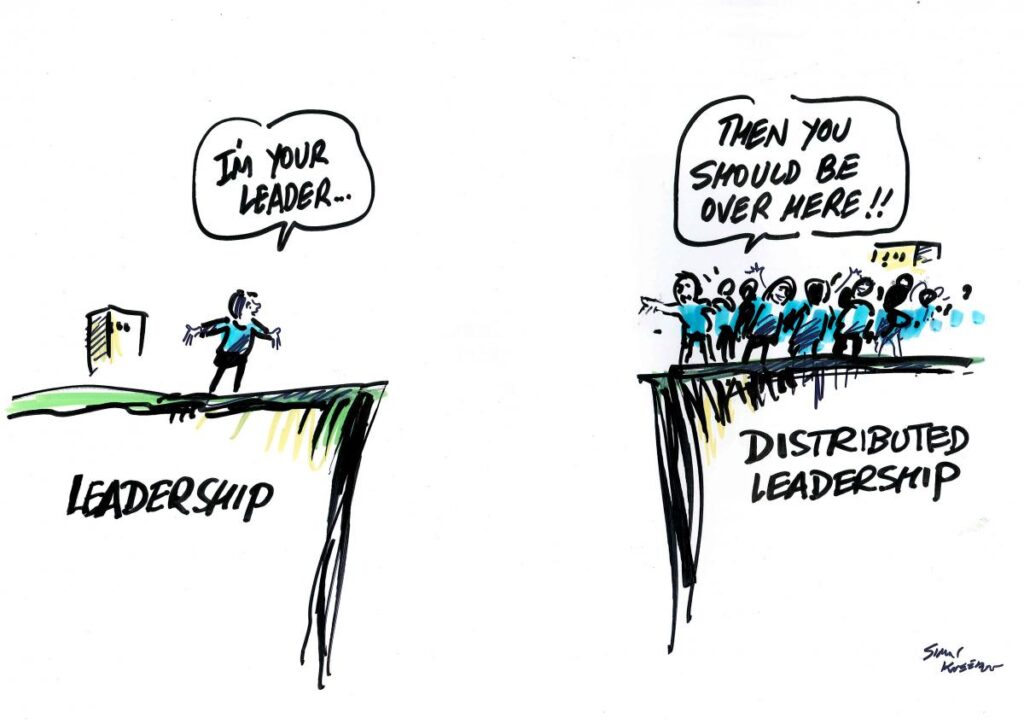
The project plan initially had some barriers. Staff were comfortable with the paper recording of each patient and had previously physically communicated the patient treatment plan with each other. A lot of information on each case was mentally stored by the practitioner themselves and was lost when that staff member was not on shift, or the patient was seen by another practitioner. Change is successful when people value the change (Weiner, 2009). The first barrier to overcome was to achieve support of the people who would be using it. This stared with the leadership supporting the use of the new system, and supporting the learning process for staff to become comfortable with the system. Leading by example is heavily dependent on the leadership, and increases the organization’s ability to achieve successful, long term change (Antwi et al, 2014). Once staff started to work with the program we realized it made our assessments easier for everyone. Conner (1998, as cited in Al-Haddad et al, 2015) stated the drivers of change are connected, and has a chain reaction that affects the organization as a whole.
One challenge was the team that worked during the day had more support than the night shifts, and this caused some staff to revert back to paper charting without management present to support them. Technical issues such as poor internet connection caused some staff working remotely to have challenges uploading their files.
Changes to be made:
- An inclusive meeting with all staff during the brainstorming phase would have given a chance for everyone to make suggestions prior to rolling out the program. I believe this would have gotten more support from the staff if they felt they were a part of the change development. This is supported by the Participatory Action Research (PAR) model discussed by Al-Haddad et al (2015), and states that input gathered by the people undergoing the change makes them feel more involved and responsible for making sure the change succeeds.
- Teaching sessions should be made available to all staff prior to rolling out the program to allow everyone to start using it at once, rather than only those who had been trained. This would prevent staff from feeling left out and not supporting the change by reverting back to paper charting. Hopefully this would alleviate some technical issues that came up when staff were working alone on night shifts.
Overall the program worked well and was eventually supported by all the team members. For a larger team the program may have to be re-evaluated as more feedback is given on the efficiency of the program. For the patient type most seen, the file system works, however if the patient type changes, or requires additional forms, procedures, or referrals, the templates may need to change.
References:
Al-Haddad, S., & Kotnour, T. (2015). Integrating the organizational change literature: a model for successful change. Journal of Organizational Change Management, 28(2), 234-262. https://doi.org/10.1108/JOCM-11-2013-0215
Antwi, M., & Kale, M. (2014). Change Management in Healthcare: Literature Review. Queen’s School of Business, 1–35. https://web.archive.org/web/20201127014855/https:/smith.queensu.ca/centres/monieson/knowledge_articles/files/Change%20Management%20in%20Healthcare%20-%20Lit%20Review%20-%20AP%20FINAL.pdf
Weiner, B. J. (2009). A theory of organizational readiness for change. Implementation Science, 4(67). https://implementationscience.biomedcentral.com/articles/10.1186/1748-5908-4-67